

As a supplier of High Voltage Disconnect Switches, I understand the critical role these components play in electrical power systems. High Voltage Disconnect Switches are essential for isolating electrical equipment during maintenance, repairs, and fault conditions, ensuring the safety of personnel and the reliability of the power grid. However, to meet the ever - increasing demands of modern power systems, continuous improvement in the performance of these switches is necessary. In this blog, I will share some research - based approaches to enhance the performance of High Voltage Disconnect Switches.
Research on Material Selection
One of the fundamental aspects of improving the performance of High Voltage Disconnect Switches is the selection of appropriate materials. Conductive materials are crucial for minimizing power losses and ensuring efficient current flow. Research has shown that using high - conductivity metals such as copper and aluminum can significantly reduce resistive losses. For example, copper has excellent electrical conductivity and thermal conductivity, which helps in dissipating heat generated during normal operation.
In addition to conductivity, the mechanical properties of materials are also important. The switch contacts need to withstand mechanical stress during opening and closing operations. High - strength alloys can be used to improve the durability of the contacts. For instance, some advanced alloys have high yield strength and good corrosion resistance, which can extend the service life of the switch.
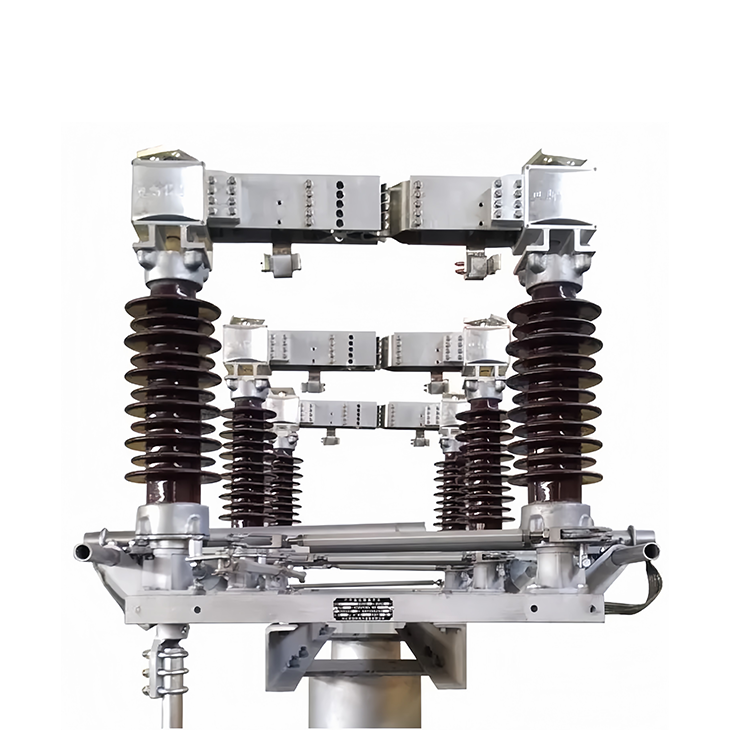

Moreover, the insulation materials used in High Voltage Disconnect Switches are vital for preventing electrical breakdown. Research into new insulation materials with high dielectric strength and good thermal stability can enhance the safety and reliability of the switches. For example, some modern insulation materials can withstand higher voltages and are less prone to aging, reducing the risk of insulation failure.
Design Optimization
Design optimization is another key area for improving the performance of High Voltage Disconnect Switches. The geometric design of the switch contacts can have a significant impact on the electrical and mechanical performance. Research has indicated that optimizing the contact shape can increase the contact area, which in turn reduces the contact resistance. A larger contact area distributes the current more evenly, reducing the risk of overheating.
The operating mechanism of the switch also needs to be carefully designed. A smooth and reliable operating mechanism ensures accurate and timely opening and closing of the switch. Research on new operating mechanisms, such as spring - operated mechanisms or motor - operated mechanisms, can improve the speed and precision of the switching action. For example, spring - operated mechanisms can provide fast and reliable operation, which is crucial in fault - clearing situations.
Furthermore, the overall layout of the switch can affect its performance. Proper spacing between different components is necessary to prevent electrical interference and ensure good insulation. Research on the optimal layout design can help in reducing the size of the switch while maintaining its performance. This is particularly important in applications where space is limited, such as in substations with high - density equipment arrangements.
Testing and Monitoring
Testing and monitoring are essential steps in improving the performance of High Voltage Disconnect Switches. Regular testing can detect potential problems early, allowing for timely maintenance and replacement. Research has led to the development of advanced testing techniques, such as high - voltage testing, temperature monitoring, and contact resistance measurement.
High - voltage testing is used to verify the insulation performance of the switch. By applying a high voltage to the switch under controlled conditions, any insulation weaknesses can be detected. Temperature monitoring is another important aspect. Excessive temperature rise in the switch contacts can indicate high contact resistance or other problems. Infrared thermography is a non - invasive method that can be used to monitor the temperature distribution of the switch during operation.
Contact resistance measurement is crucial for assessing the condition of the switch contacts. An increase in contact resistance can lead to overheating and reduced performance. Research has shown that regular measurement of contact resistance can help in predicting the remaining service life of the contacts. By continuously monitoring these parameters, proactive maintenance can be carried out, reducing the risk of unexpected failures.
Case Studies of Improved Switches
Let's take a look at some of our products that have benefited from these research - based improvements. The GW4 - 40.5DW Outdoor High Voltage Disconnector is designed with optimized contact geometry. The use of high - conductivity copper contacts and advanced insulation materials has significantly improved its electrical performance. It can handle high currents with low resistive losses and has excellent insulation properties, making it suitable for a wide range of outdoor applications.
The GW7 - 252DW Outdoor High Voltage Isolating Switch features a state - of - the - art operating mechanism. Through extensive research and development, the mechanism provides smooth and reliable operation, ensuring fast and accurate switching. The use of high - strength alloys in the contacts and other components has enhanced its mechanical durability, making it capable of withstanding harsh environmental conditions.
The Outdoor Manual High Voltage Isolation Switch has been improved through research on material selection and design optimization. The switch uses high - performance insulation materials and has a well - designed contact structure, which reduces the risk of electrical breakdown and improves the overall performance.
Conclusion and Call to Action
In conclusion, improving the performance of High Voltage Disconnect Switches through research involves multiple aspects, including material selection, design optimization, and testing and monitoring. By leveraging the latest research findings, we can develop switches that are more efficient, reliable, and durable.
If you are in the market for High Voltage Disconnect Switches and are looking for high - performance products, we are here to help. Our team of experts can provide you with detailed information about our products and how they can meet your specific requirements. Whether you need a switch for a small - scale distribution network or a large - scale power substation, we have the solutions for you. Contact us to start a procurement discussion and find the best High Voltage Disconnect Switch for your project.
References
- Smith, J. (2018). "Advances in High Voltage Switchgear Technology". IEEE Transactions on Power Delivery.
- Johnson, A. (2019). "Material Selection for High Voltage Electrical Equipment". Journal of Electrical Engineering.
- Brown, C. (2020). "Design Optimization of High Voltage Disconnect Switches". International Journal of Power Systems.