

Hebei Yueyang Electric Power Technology Co., Ltd. belongs to Beijing Beikai Zhongdian Group (established in 2005). It is a manufacturer of high and low voltage electrical equipment that integrates R&D, production, and sales. The company's main products include isolation switches, switchgear, vacuum circuit breakers, transformers, Drop Out Fuse, lightning arresters, and other series of products, which are widely used in ports, rail transportation, new energy, power systems, and infrastructure construction. These products are exported to over 60 countries and regions worldwide.

Our Advantages
Strong Production Capacity
Our company covers an area of about 20,000 square meters, has 30 factories and two branches, and has more than 100 employees. More than 20 years of production experience enable us to meet the diverse production needs of users.
Focus on Product Innovation
We continue to adhere to product innovation and technological innovation, established a technology research and development center, and obtained more than 60 utility model patents.
Advanced Production Equipment
Our company is equipped with 20 lathes, 10 universal cleaning machines, 8 drilling and washing machines, 5 punching machines, 9 experimental benches, 5 detectors, etc., to provide a guarantee for the high-precision production of products.
Recognized Product Quality
Our company has passed ISO9001 series system certification and has also established a product testing center. Reliable products have been sold to many countries and regions such as Europe, Africa, Southeast Asia, and the Middle East, and have been well received.


Switch cabinet is a complete set of switchgear and control equipment, it as a power center and main distribution device. Mainly used for the control, monitoring, measurement and protection of power lines and main electrical equipment.

Functions of Switch Cabinets
Electrical Distribution
Switch cabinets serve as distribution points for electrical power, containing devices such as circuit breakers, fuses, and switches that control the flow of electricity to different circuits and equipment.
Control and Monitoring
They house control components, such as programmable logic controllers (PLCs) and human-machine interfaces (HMIs), allowing operators to monitor and control industrial processes or electrical systems.
Protection
Switch cabinets include protective devices like circuit breakers and fuses to safeguard electrical circuits and equipment from overloads, short circuits, and other electrical faults.
Isolation
They provide a means to isolate electrical equipment for maintenance or repair purposes, ensuring the safety of maintenance personnel.
Power Factor Correction
Some switch cabinets may include components for power factor correction, improving the efficiency of electrical systems by optimizing the ratio of real power to apparent power.
Connection Points
Switch cabinets serve as connection points for electrical cables, allowing different components and systems to be interconnected.
Safety
Switch cabinets provide a secure and enclosed environment for electrical components, minimizing the risk of electric shock, fire, and other hazards.
Organization
They help organize and centralize electrical components, making it easier to manage and troubleshoot electrical systems.
Space Efficiency
Switch cabinets are designed to maximize space utilization, housing a variety of components in a compact and organized manner.
Customization
Switch cabinets can be customized to meet the specific requirements of the application, with various configurations available to accommodate different components and layouts.
Accessibility
Cabinets are designed with doors and access panels, allowing authorized personnel easy access to the internal components for maintenance, inspection, and repairs.
Environmental Protection
Switch cabinets often have features to protect against environmental factors such as dust, moisture, and corrosive substances, ensuring the longevity of electrical equipment.
Application of Switch Cabinets

Industrial Automation
Power Distribution
Building Management Systems (BMS)
Data Centers
Renewable Energy Systems
Telecommunication Networks
Working Principle of Switch Cabinets
Control and Switching
Switch cabinets are equipped with various switches that allow the manual or automatic control of electrical circuits. These switches may include circuit breakers, disconnect switches, and other control devices. The actuation of these switches facilitates the opening or closing of electrical circuits, controlling the flow of current.
Distribution of Electrical Power
Switch cabinets serve as distribution points for electrical power. Incoming electrical power is routed through the switch cabinet, and the cabinet is designed to distribute power to different circuits or loads. This distribution is often organized through busbars and conductors within the cabinet.
Protection Devices
Switch cabinets incorporate protection devices to safeguard electrical equipment and systems from faults, overloads, and short circuits. Common protection devices include circuit breakers, fuses, and relays. These devices detect abnormal conditions and interrupt the electrical circuit to prevent damage or hazards.
Isolation and Safety
Switch cabinets provide a means of isolating electrical circuits for maintenance or repairs. Disconnect switches or isolators within the cabinet enable the complete disconnection of power, ensuring the safety of personnel working on electrical systems.
Perform Infrared Inspections
Although not a substitute for a maintenance program, thermal imaging (infrared) is a valuable tool that can be done while the equipment is energized. If done safely and properly, an infrared inspection can identify loose bus connections before they result in a full or partial equipment outage. Maintenance can be scheduled to correct the identified issue. Having infrared viewing windows installed allows infrared inspections to be done quickly and safely.
Exercise Circuit Breakers on an Annual Basis
A simple but very valuable practice is to manually operate circuit breakers once a year. This keeps the contacts clean and helps operating mechanisms move freely.
Don’t Neglect Recommended Maintenance
Switchgear should be cleaned, inspected, tightened, lubricated, and exercised on a regular basis. The frequency of maintenance depends on the operating conditions. Moisture and heat combined with dirt, dust, or other environmental contaminates will deteriorate the insulation, conductive materials, and protective devices in the equipment at an accelerated rate.


Recondition the Equipment
A more intensive maintenance option for circuit breakers is in-shop reconditioning, which should be performed when the on-site maintenance work scope cannot bring the circuit breaker within tolerances defined in current industry standards. The circuit breaker is initially tested against ANSI standards and then completely disassembled, cleaned, and inspected. Damaged parts are refurbished or replaced, and pivot points are re-lubricated before the circuit breaker is reassembled. The reconditioned circuit breaker, including the new assemblies, is retested against ANSI standards.
Keep Good Records and Trend Performance
Unless maintenance testing has been utilized to track the performance of circuit breakers, degradation of insulation and the moving parts may go unnoticed. Switchgear components may be out of design tolerance yet still be functional for a long period of time. Tracking test data provides a better idea of the expected life of the equipment and helps focus maintenance efforts on the areas that need it the most.
Upgrade the Equipment
With the advancements in circuit breaker designs, those with older technology may no longer be considered sustainable solutions. To take advantage of the more advanced technology, the switchgear lineup could be replaced. A more cost-effective alternative would be to leave the switchgear structure and bussing in place and upgrade the existing equipment with the latest state of the art circuit breakers.
Utilize Predictive Maintenance Tools
Besides trending test data, which can be analyzed to predict equipment life and maintenance requirements, on-line monitoring tools are available that can provide warnings of impending failures. Online monitoring systems operate continually and have the advantage of recognizing a condition that may not be apparent during a one-time inspection.
Perform a Short Circuit Analysis and a Time Current Coordination Study
If the switchgear components do not have a proper short circuit rating, there could be catastrophic damage to the equipment and surrounding area. A short circuit analysis will determine if the switchgear is rated properly. There may also be the need to update the coordination study. Coordinated circuit breaker settings can prevent unnecessary interruptions of faults by the switchgear that should have been interrupted by a downstream device.

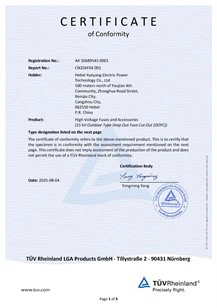
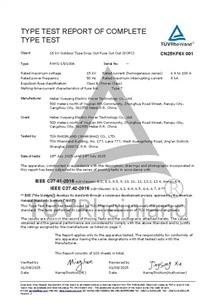
Our Certificate
Multiple certifications and product patents mean excellent product quality.

Ultimate FAQ Guide to Switch Cabinets
Q: What are the parts of a switch cabinet?
Q: Why is it called switchgear?
Q: What is the main part of the switchgear?
Q: What is the main function of switchgear?
Q: What is low voltage switchgear?
● Residential buildings: Low voltage switchgear is used to distribute power to different areas of a house and safeguard against overloads.
● Commercial establishments: It ensures safe power distribution, controls lighting systems, and protects electronic equipment from voltage fluctuations.
● Industrial facilities: Low voltage switchgear is essential for controlling motors, switchboards, and power distribution panels in factories and manufacturing units.
Q: What is medium voltage switchgear?
● Industries with heavy machinery: Medium voltage switchgear is essential for managing large motors, transformers, and generators used in industries like mining, oil and gas, and manufacturing.
● Power generation plants: It provides control and protection to generators and high-voltage transmission lines, ensuring a reliable power supply to homes and businesses.
● Renewable energy systems: Medium voltage switchgear plays a vital role in connecting renewable energy sources, such as wind turbines and solar panels, to the electrical grid.
Q: What is high voltage switchgear?
● Electrical substations: High voltage switchgear is the backbone of substations, which ensure that power generated at a power station is safely distributed to consumers.
● Electric utilities: These organizations rely on high voltage switchgear to transmit and distribute electricity from power plants to homes, offices, and industries.
Q: What is electrical switchgear?
Q: What are the advantages of Switch Cabinets?
The electric switchgear is normally housed in metal enclosures. This makes it much safer than outdoor switchgear. The enclosure shields users from live electrical components by providing an extra layer of protection against shock or electrocution. The higher level of safety makes indoor switchgear suitable for use in residential, industrial, and institutional settings. This is critical when it comes to ensuring the safety of electrical equipment and workers or other persons who may come near the installation.
More Protection
One of the key advantages of indoor substation or switchgear is that it offers superior protection against dust, moisture, and other forms of contaminants that may be present in the surrounding environment. The increased protection is especially important for applications in industrial settings, where there may be high levels of particulate matter or conductive dust from nearby machining operations.
Increased Reliability
Another key advantage that indoor-type switchgear has over outdoor switchgear is increased reliability. Because it’s installed indoors, there are fewer risks of being exposed to extreme weather events that could damage the switchgear. In other words, it means the switchgear is less likely to suffer from power surges and fluctuations in electrical current. This can help improve system reliability over the long term, resulting in fewer outages over time, among other benefits.
Cheaper to Maintain
Indoor switchgear is also cheaper to maintain compared to outdoor switchgear. Inside building or switchgear room, the equipment is less likely to get damaged by harsh environment. This lowers maintenance costs. In addition to the fewer maintenance costs, the fewer risks mean the switchgear can last much longer without requiring intense repairs or frequent replacements. This makes it cost-effective for many businesses and institutions.
Requires Less Space
Indoor switchgear requires less installation space than outdoor switchgear. Since it is installed indoors, there is no need to provide an external shelter for protection from the elements. This eliminates additional site preparation costs. The smaller footprint of indoor electric switchgear makes indoor makes it ideal for small-sized facilities or in crowded urban environments. Also, for places where the cost of land is too high and outdoor switchgear would increase cost unnecessarily.
Q: What are the basics of switchgear?
Q: What is switchgear maintenance?
Q: How often should switchgear be serviced?
Q: Why is it important to maintain the switchgear?
Q: What is the life expectancy of switchgear?
Q: What happens if a switchgear fails?
Q: What is the basic knowledge of switchgear?
Q: How to clean electrical switchgear systems?
Before you begin cleaning your electrical switchgear system, it is important to fully isolate the system from all sources of power. Check the mains, generation, UPS, PV, and CHP power sources. Once the system is completely isolated, you can proceed with cleaning the switchgear safely.
Clean Using Filtered Suction Equipment
When you are sure that the switchboard is fully isolated and completely safe, you can begin cleaning. It is important that you only use specialist cleaning agents because non-specialist products can cause short circuits and damage the switchgear system.
Use specially designed filtered suction equipment with a non-metallic hose to remove all dirt, dust, and debris from the system. Check the ventilation grills to ensure they are not blocked with dust and dirt. Always work slowly and be careful with suction equipment so you do not damage any of the equipment while you are cleaning. Avoid using compressed air to clean your switchgear because it can push contaminants further into the components and cause more damage.
Wipe Surface Dirt and Dust Deposits from the System
After using suction equipment to remove hidden dust, you should wipe surface dirt and dust deposits from the switchgear. Use microfibre cloths and lint-free cloths to pick up all of the dust and ensure that you don’t leave anything behind. Soft cloths also help you avoid damaging the switchgear during cleaning.
You can also use cleaning wipes that are designed for use with switchgears. They use fast evaporating solvents that are not corrosive to metal or plastics, so you can clean stubborn dust without causing damage to the components. Wipe all surface dust and dirt from the insulation bushings, stand-off insulators, electrical leads, busbars and busbar supports, and all other general equipment.
Q: What are the two basic functions performed by switchgear?
Q: How to choose Switchgear?
The first step in choosing switchgear is to identify the type of load that the system will serve. Load classification can be broadly categorized into three types:
a) Residential load: This includes lighting, heating, ventilation, air conditioning (HVAC), and other household appliances.
b) Industrial load: This includes factories, warehouses, and other industrial facilities that require high power levels and stable voltage.
c) Critical load: This includes hospitals, research facilities, and other critical infrastructure that requires uninterrupted power supply and rapid response times.
●Determine the Voltage Level
The voltage level of the system is another crucial factor to consider when selecting switchgear. The most common voltage levels used in power systems are 480V, 220V, and 110V. Higher voltage levels require more robust and efficient switchgear due to the increased current flow. It is essential to ensure that the selected switchgear can handle the specified voltage level without overheating or compromising safety.
●Assess Power Density
Power density refers to the total power delivered by a switchgear unit per unit area. High power density switchgear can help reduce the size of the overall equipment, thus saving space and costs. When selecting switchgear, it is important to consider the expected power density requirement of the system.
●Consider Safety Requirements
Safety is a top priority in any power system. When choosing switchgear, it is essential to ensure that the equipment meets all relevant safety standards and regulations. This includes fire protection, electromagnetic compatibility (EMC), and lightning protection. Additionally, it is important to choose switchgear with adequate grounding and bonding features to prevent short circuits and ensure proper earthing.
Q: What are switch cabinets made of?
As one of the leading switch cabinets manufacturers and suppliers in China, we warmly welcome you to buy cheap switch cabinets for sale here from our factory. All customized products are with high quality and low price.
Metal Armored Withdrawable Switchgear, Switch Cabinets, Fixed Metal Enclosed Switch Cabinet