

Hebei Yueyang Electric Power Technology Co., Ltd. belongs to Beijing Beikai Zhongdian Group (established in 2005). It is a manufacturer of high and low voltage electrical equipment that integrates R&D, production, and sales. The company's main products include isolation switches, switchgear, vacuum circuit breakers, transformers, Drop Out Fuse, lightning arresters, and other series of products, which are widely used in ports, rail transportation, new energy, power systems, and infrastructure construction. These products are exported to over 60 countries and regions worldwide

Our Advantages
Strong Production Capacity
Our company covers an area of about 20,000 square meters, has 30 factories and two branches, and has more than 100 employees. More than 20 years of production experience enable us to meet the diverse production needs of users.
Focus on Product Innovation
We continue to adhere to product innovation and technological innovation, established a technology research and development center, and obtained more than 60 utility model patents.
Advanced Production Equipment
Our company is equipped with 20 lathes, 10 universal cleaning machines, 8 drilling and washing machines, 5 punching machines, 9 experimental benches, 5 detectors, etc., to provide a guarantee for the high-precision production of products.
Recognized Product Quality
Our company has passed ISO9001 series system certification and has also established a product testing center. Reliable products have been sold to many countries and regions such as Europe, Africa, Southeast Asia, and the Middle East, and have been well received.


Introduction to Lightning Arrester
Lightning arresters are devices installed to shield power lines, homes, and structures from dangerous power surges. As the name suggests, they're primarily designed to safeguard against damage caused by lightning strikes. However, they can also protect the structure from various other sources.

Types of Lightning Arresters
Horn or ESE Lightning Arresters
Horn or Early Streamer Emission (ESE) lightning arresters are designed to provide advanced warning and protection against lightning strikes. These arresters have a pointed metallic rod that extends above a surrounding system of radial metallic plates. When an electrical field associated with an approaching lightning strike reaches a certain threshold, the ESE arrester emits a streamer, effectively capturing the lightning before it can strike the protected structure.
Valve or Spark Gap Lightning Arresters
Valve or spark gap lightning arresters are based on the principle of creating a low-resistance path for lightning currents. They consist of two or more metal electrodes with a small air gap between them. Under normal operating conditions, the air gap acts as an insulator. However, when a high voltage surge, such as a lightning strike, occurs, the spark gap breaks down and allows the surge to pass through and be safely conducted to the ground.
Carbon Electrode Lightning Arresters
Carbon electrode lightning arresters utilize carbon or graphite rods as the main conductive element. These arresters are effective in diverting lightning currents due to the high electrical conductivity of carbon. Carbon electrode arresters are commonly used in high-voltage applications and can withstand multiple lightning strikes without significant degradation.
Gas Tube Lightning Arresters
Gas tube lightning arresters use a small hermetically sealed gas-filled chamber to protect against lightning surges. Inside the chamber, there are two electrodes separated by a small gap. When a surge occurs, the gas breaks down and forms a low-resistance path, allowing the surge to be safely discharged. Gas tube arresters have a fast response time and are commonly used in telecommunication systems.
Hybrid Lightning Arresters
Hybrid lightning arresters combine multiple technologies to provide enhanced protection against lightning strikes. They typically incorporate elements of both valve and gas tube designs, resulting in improved surge handling capabilities. Hybrid arresters are often used in critical infrastructure, such as power substations and data centers, where high levels of protection are required.
Surge Protective Devices (SPDs)
Surge protective devices (SPDs), also known as transient voltage surge suppressors (TVSS), are a type of lightning arrester used to protect electrical systems from transient voltage surges caused by lightning strikes and other sources. SPDs work by limiting the voltage level of incoming surges and diverting excess energy safely to the ground. They are commonly installed at the main electrical service entrance to provide comprehensive protection to an entire building or facility.
Surge Arresters vs Lightning Arresters: What are the Differences?

Surge Arrestors
The main function of these arrestors is to protect several kinds of electrical appliances from inside the home.
The surge arrestors have to be installed within the main panel board.
The surge arrestors defend the whole system from surges, switching lightning, electrical faults, and transient voltage.
These kinds of arrestors interrupt the surges and divert the surplus energy toward the ground through the ground wire.
The different types of surge arrestors include low-voltage, distribution, neutral protection, fiber tube, network, signal, direct current, stations, etc.
This arrestor can be used only as a surge arrestor.

Lightning Arrestors
The primary function of these arrestors is to defend the electrical appliances from outside and so they are installed outside the home or business.
The installation of lightning arrestors can be done only to the outside panel board.
The lightning arrestors redirect the flow of electricity to the ground through the arrestor devices directly.
The lightning arrestors are used for lightning strikes. Moreover, they can be used for linked surges as well.
The different types of lightning arrestors are metal oxide, electrolyte, multi gap, horn, sphere, and rod.
They can be used as surge arrestors as well.
Advantages of Lightning Arresters
Protection Against Lightning Strikes
Lightning arresters provide a crucial defense against the damaging effects of lightning strikes. They divert the excessive surge of electrical energy caused by a lightning strike, preventing it from reaching and damaging electrical equipment.
Prevention of Equipment Damage
By quickly diverting the lightning surge to the ground, lightning arresters protect sensitive electrical and electronic equipment from being damaged or destroyed. This includes appliances, electronic devices, and power distribution systems.
Protection Of Power Distribution Networks
Lightning arresters are essential components in power distribution networks. They protect transformers, substations, and other vital infrastructure, ensuring the uninterrupted supply of electricity to homes, businesses, and industries.
Enhanced System Reliability
Lightning arresters contribute to the overall reliability of electrical systems by reducing the risk of equipment failure and downtime caused by lightning-induced damage. This is particularly important in critical infrastructure and industries.
Extension of Equipment Lifespan
The effective operation of lightning arresters helps extend the lifespan of electrical equipment by preventing sudden and severe voltage spikes that can lead to premature wear and failure.
Safety for Personnel and Property
By preventing lightning-induced damage, lightning arresters enhance the safety of personnel and property. They reduce the risk of fire hazards and electrical accidents associated with lightning strikes.
Residential Areas
Lightning arresters are installed in residential buildings to protect electronic appliances, electrical wiring, and other equipment from lightning-induced surges. This ensures the safety of residents and prevents damage to household devices.
Commercial Buildings
Commercial establishments use lightning arresters to safeguard sensitive electronic equipment, computers, and electrical systems. This protection is essential for preventing disruptions in business operations and avoiding costly equipment replacements.
Industrial Facilities
Industries employ lightning arresters to protect machinery, control systems, and critical equipment from lightning strikes. This is crucial for maintaining continuous production processes and minimizing downtime.
Power Substations
Lightning arresters are integral components of power substations, providing protection for transformers, switchgear, and other infrastructure. They play a vital role in ensuring the reliability of electricity distribution to homes and businesses.
Telecommunication Towers
Telecommunication towers use lightning arresters to safeguard communication equipment and antennas. This protection is essential for maintaining uninterrupted communication services, especially in areas prone to lightning activity.

Working Principle of Lightning Arresters
Lightning arresters help prevent lightning damage to the apparatus because of high voltages. The lightning arrester provides a low-impedance road all the way to the ground for the lightning’s current. It then restores to a normal operating condition. A lightning arrester can be compared to a relief valve on a water heater. It releases high pressure until it can work normally again. When the pressure returns to normal, then the safety valve is ready for the next move. When a high voltage exists on the line, the lightning arrester immediately forms a path to the ground, limiting and draining the excess voltage.
Select the Location
Surge arresters should be installed at strategic locations on the power distribution network where there is a high risk of overvoltage transients. This may include near transformers, circuit breakers, and other critical equipment.
Prepare the Mounting Surface
The surge arrester should be installed on a stable and secure mounting surface. This may include a concrete pad, a metal frame, or a pole.
Connect the Ground Lead
The ground lead of the surge arrester should be connected to the grounding system of the power distribution network. This provides a low-impedance path to the ground for the transient energy, diverting it away from the protected equipment.
Connect the End Fittings
The surge arrester should be connected to the power distribution network through its end fittings. The end fittings may include a connector, a terminal, or a bushing, depending on the specific application.
Verify the Connections
Once the surge arrester is installed, the connections should be carefully verified to ensure that they are tight and secure.
Test the Surge Arrester
The surge arrester should be tested to verify its electrical performance. This may include testing its response to simulated surge currents and verifying its voltage rating.
Factors to Consider Before Choosing a Lightning Arrester
Voltage Rating
Surge arresters are rated for maximum continuous operating voltage and maximum discharge voltage. It is important to choose a surge arrester with the appropriate voltage rating for the application.
Current Rating
Surge arresters are also rated for maximum discharge current. The surge arrester should have a current rating that is sufficient to handle the maximum discharge current that could occur in the system.
Energy Absorption Rating
Surge arresters are rated for energy absorption capability, which is the amount of energy that the surge arrester can absorb during a transient event. The surge arrester should have an energy absorption rating that is appropriate for the expected transient energy.
Type of Arrester
There are several types of surge arresters available, including metal-oxide arresters, gapped arresters, and expulsion arresters. The type of arrester chosen will depend on the specific application and the level of protection required.
Response Time
Surge arresters have a response time, which is the time it takes for the surge arrester to divert the transient energy to ground. The response time should be fast enough to prevent damage to the protected equipment.
Environmental Conditions
Surge arresters should be able to withstand the environmental conditions at the installation site. This may include exposure to extreme temperatures, moisture, and other factors.
Certification and Standards
Surge arresters should be certified to applicable industry standards, such as IEC, IEEE, or UL. Certification ensures that the surge arrester has been tested and meets specific performance requirements.
Manufacturer’s Reputation
The reputation and experience of the surge arrester manufacturer should also be considered. It is important to choose a reputable manufacturer with a proven track record of producing high-quality surge arresters.
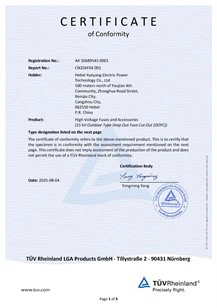
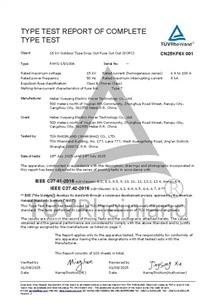
Our Certificate
Multiple certifications and product patents mean excellent product quality.

Ultimate FAQ Guide to Lightning Arresters
Q: What is the difference between a lightning arrester and a surge protector?
Q: What is the difference between a lightning conductor and an arrester?
Q: What is the main purpose of a lightning arrester?
Q: Do I need lightning arrester on my house?
Q: Where should lightning arresters placed?
Q: What is another name for a lightning arrester?
Q: What does a lightning arrestor look like?
Q: Why do lightning arresters fail?
Q: How do I know if my lightning arrester is working?
Q: Do lightning arrestors go bad?
Q: How does a lightning arrester work?
Q: What are the key features of a surge (lightning) arrester?
● It should divert the current at the precise moment that the transient voltage reaches the rated breakdown threshold.
● The spark-over voltage must go beyond the usual power frequency occurring in the system for the device to work. It shouldn’t be electrically conductive under normal conditions.
● Lastly, the lightning arrester should channel the discharged electrical energy without losing its durability when these breakdowns happen.
Q: How safe is lightning arrester?
Q: Should I use surge arresters or lightning arresters?
Q: Where a lightning arrester should be located
Q: How to maintain a Lightning Arrester?
● De-energize the line before handling the arrester
● Check the earth connection periodically
● Record the readings of the surge counter
● Securely fasten the line lead to the line conductor and arrester
● Securely fasten the ground lead to the arrester terminal and ground
Q: What is a metal oxide arrester?
Q: How is a lightning arrester installed?
Q: How often should lightning arresters be inspected?
Q: What happens if a lightning arrester fails to work?
As one of the leading lightning arrester manufacturers and suppliers in China, we warmly welcome you to buy cheap lightning arrester for sale here from our factory. All customized products are with high quality and low price.
lightning shielding system, Series Gap Type Zinc Oxide Arrester, lightning arrester manufacturer