

Hebei Yueyang Electric Power Technology Co., Ltd. belongs to Beijing Beikai Zhongdian Group (established in 2005). It is a manufacturer of high and low voltage electrical equipment that integrates R&D, production, and sales. The company's main products include isolation switches, switchgear, vacuum circuit breakers, transformers, Drop Out Fuse, lightning arresters, and other series of products, which are widely used in ports, rail transportation, new energy, power systems, and infrastructure construction. These products are exported to over 60 countries and regions worldwide.

Our Advantages
Strong Production Capacity
Our company covers an area of about 20,000 square meters, has 30 factories and two branches, and has more than 100 employees. More than 20 years of production experience enable us to meet the diverse production needs of users.
Focus on Product Innovation
We continue to adhere to product innovation and technological innovation, established a technology research and development center, and obtained more than 60 utility model patents.
Advanced Production Equipment
Our company is equipped with 20 lathes, 10 universal cleaning machines, 8 drilling and washing machines, 5 punching machines, 9 experimental benches, 5 detectors, etc., to provide a guarantee for the high-precision production of products.
Recognized Product Quality
Our company has passed ISO9001 series system certification and has also established a product testing center. Reliable products have been sold to many countries and regions such as Europe, Africa, Southeast Asia, and the Middle East, and have been well received.
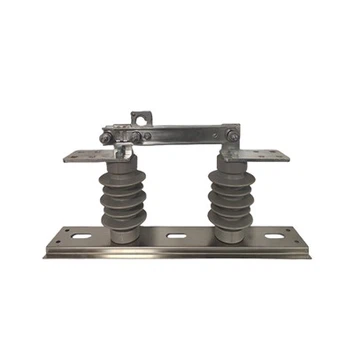

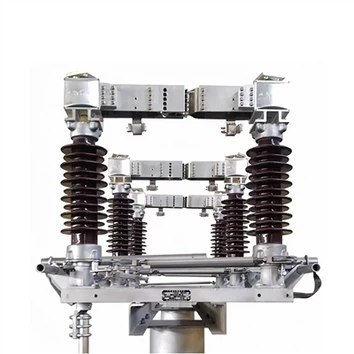

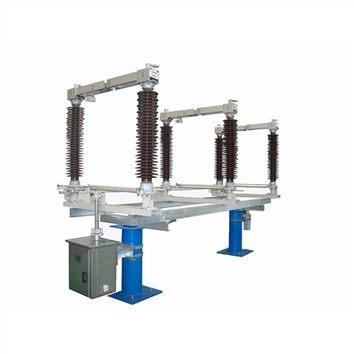

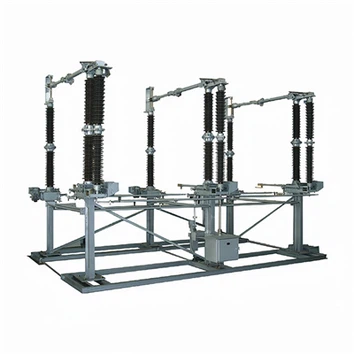
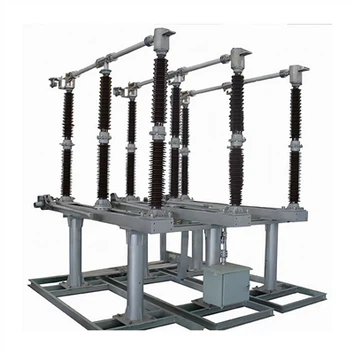


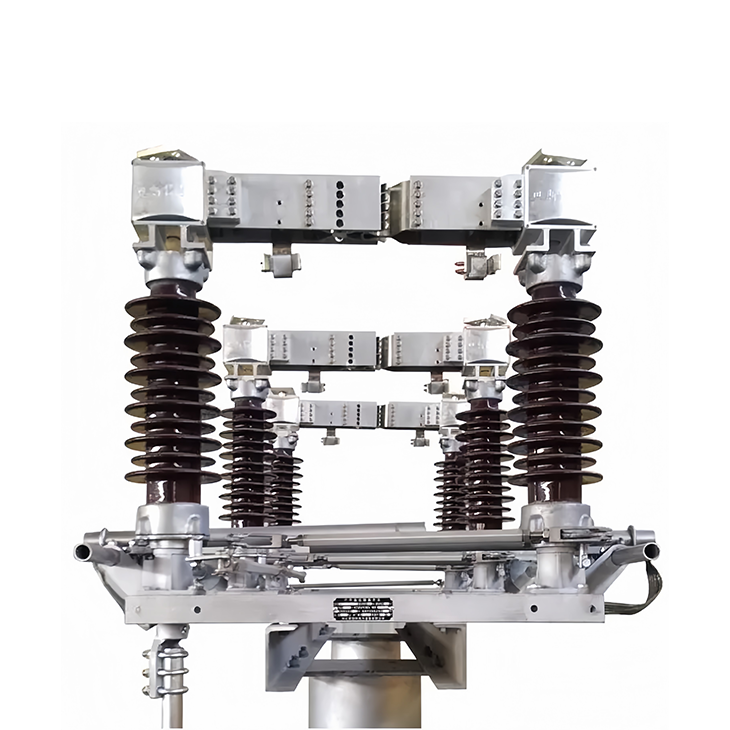
Introduction to Disconnected Switch
Disconnect switches (also known as isolator switches, safety switches, and load break switches) are used to isolate electrical circuits by interrupting the flow of electrical current. By quickly stopping the flow of power, disconnect switches allow for emergency shutdowns, switching to alternate power sources, and maintenance.
Types of Disconnect Switches
Knife Switches
Knife switches are one of the oldest and simplest types of disconnect switches. They are composed of two metal blades that are connected at one end, with a handle or lever that rotates around a pivot point. When the lever is moved to the open position, the blades are separated, interrupting the electrical circuit. Knife switches are typically used in low-voltage applications and are not suitable for high-current loads.
Circuit Breaker
Circuit breakers are another common type of electrical disconnect switch that is widely used in commercial, residential, and industrial applications. They are designed to trip or disconnect power to a circuit when an overcurrent condition occurs, such as a short circuit or overload. Circuit breakers can be manually operated or automatically triggered by an electrical control system.
Fusible Switches
Fusible switches are designed to protect equipment from damage caused by short circuits or overloads. They consist of a switch mechanism and a set of fuses that can be replaced when they are blown. Fusible switches are commonly used in industrial applications, such as motor control centers and other high-current loads.
Safety Switches
Safety switches are designed to provide a means of disconnecting power to a circuit or equipment for maintenance or repair. They are typically used in commercial and industrial applications and are required by code to be installed in specific locations, such as near the main service panel or at the entrance to a room where electrical equipment is housed. Safety switches can be operated manually or remotely and can be designed for various current ratings and voltage levels.
Rotary Disconnect Switches
Rotary disconnect switches are designed for use in high-current applications where a simple on/off switch is not sufficient. They are commonly used in motor control centers and other industrial applications to switch power to large motors or equipment. Rotary disconnect switches are designed with multiple contacts, allowing for the safe disconnection of power from multiple sources.
Functions of Disconnect Switches
Isolation
The primary function of an isolating switch is to provide a means to isolate equipment or circuits from the power supply. This ensures the safety of personnel working on the equipment and allows for maintenance, repairs, or inspections to be carried out without the risk of electrical shock.
Visible Break
Isolating switches provide a visible break in the electrical circuit, allowing personnel to visually confirm that the equipment or circuit is disconnected from the power supply.
Switching Capability
Isolating switches have the capability to switch electrical loads on and off. This allows for convenient control of power to specific equipment or circuits.
Safety
The primary purpose of disconnect switches is to ensure the safety of individuals working on electrical systems. They provide a means to isolate the power supply from specific equipment, circuits, or entire electrical systems. This allows for safe maintenance, repair, or troubleshooting activities without the risk of electric shock or other electrical hazards.
Emergency Situations
Disconnect switches serve as a critical component in emergency situations. They allow for the rapid de-energization of equipment or circuits in the event of a fire, electrical malfunction, or any other emergency that requires immediate power interruption.
Equipment Protection
Disconnect switches help protect valuable equipment from damage. By disconnecting the power source, they prevent electrical surges, overloads, or short circuits that can occur during faults or irregular operating conditions.
Compliance with Electrical Codes
Many electrical codes and regulations require the installation of disconnect switches in specific applications. Compliance ensures adherence to safety standards and promotes consistency across electrical installations.
Energy Efficiency
Disconnect switches can aid in energy conservation efforts. They allow for convenient shutdown of specific circuits or equipment when not in use, reducing unnecessary power consumption and contributing to energy efficiency goals.ajor countries and regions around the world, we provides customers with integrated supply chain solutions through procurement, production, circulation, sales and after-sales.

Application of Disconnect Switches

Electrical Installations
Isolating switches are widely used in electrical installations, such as residential, commercial, and industrial buildings. They are installed to isolate circuits or equipment during maintenance, repairs, or in emergency situations.

Machinery and Equipment
Isolating switches find applications in machinery and equipment, such as motors, pumps, HVAC systems, and lighting fixtures. They provide a safe and efficient means to isolate the power supply during servicing or troubleshooting.

Renewable Energy Systems
Isolating switches, such as solar or wind installations, are essential in renewable energy systems. They allow for the safe isolation of the energy source from the system for maintenance or in the event of an emergency.
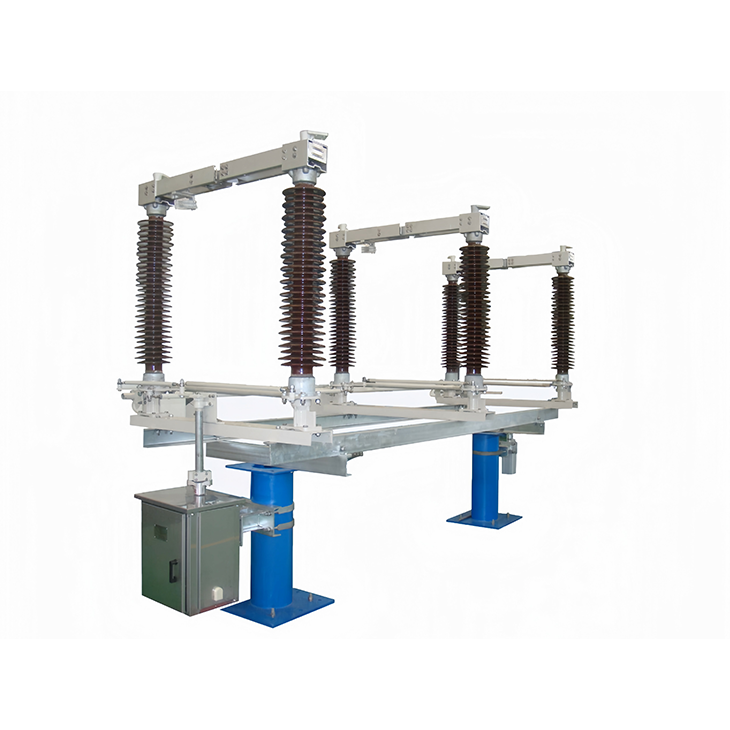
Manufacturing and Industrial Processes
Disconnect Switches are integrated into manufacturing and industrial processes to provide a safe means of isolating electrical equipment, motors, conveyors, transformers and other machinery. This allows for maintenance, troubleshooting, or replacement of components without the risk of electrical hazards.
Installation Tips for Disconnect Switches
An Electrical disconnect switch is necessary for most 240-volt appliances according to electrical safety codes. The only devices which are exempted from this requirement are those that are in sight and within 50 feet of the breaker box. All appliances which are in another room or outside must have a disconnect switch close-by as a safety measure for electrical providers that may be required to work on the devices. The wiring for the disconnect switch is an essential connection on the circuit breaker cable to supply power to the appliances.
Step 1
The double breaker switch on the circuit that is running power to the appliance which needs an electrical disconnect switch must be shut off. A Warning label or lock must be placed on the breaker box to keep other switches from flipping the switch on again.
Step 2
Next, the supply cable that provides power to the appliance must be cut if it is already wired. A utility knife can be used to slice through the outer jacket.
Each separate wire must be clipped on the inside with wire cutters. Half an inch of the insulation must be stripped away with wire cutters, exposing ends of the black, red and white wires. Then an extra ten inch of white wire must subsequently be stripped in the same manner.
Step 3
The panel’s cover plate and screws need to be removed from the electrical disconnect box.
The cable end which is running from the home power supply must be pushed into a knockout of the disconnect switch’s wiring panel box.
The black and red wires need to be connected directly to the higher switch terminals marked “hot” or “line in”. Any wire can go on any terminal.
The terminal screws must be loosened with a slotted screwdriver, and the bare conductors are pushed into the terminal slots, and the terminal screws tightened.
Step 4
The white neutral wire must be connected from the cable to a screw terminal situated on the “line neutral” block, which will be visibly labeled on a GFCI disconnect switch that exhibits one.
A white wire length must be run from a different terminal on the neutral line block to the center terminal which is situated in the row with three screw terminals on the bottom of the switch.
The uninsulated copper ground wire must be connected to the marked ground terminal block.
Step 5
The end of the cable running to the device must be pushed through a different knockout on the box.
The red and black wires must then be connected to the outside two-screw terminals on the bottom end of the switch.
Any color can be connected to either end.
The white wire is then connected to the center terminal together with the other white wire length which is running from the neutral block.
The ground wire must be connected to a terminal on the ground block, and the terminal screws tightened firmly.
Step 6
The cover plate is then covered over the panel, and the holding screws tightened so that the disconnect switch can be installed.
The power on the home breaker panel may be turned on, and the disconnect switch turned to transfer power to the appliance.
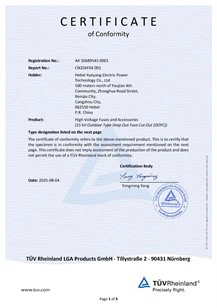
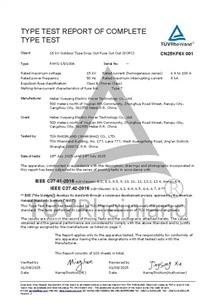
Our Certificate
Multiple certifications and product patents mean excellent product quality.

Ultimate FAQ Guide to Disconnect Switches
Q: What parts does a disconnect switch consist of?
Q: What is a disconnect switch used for?
Q: What is the difference between a circuit switch and a disconnect switch?
Q: What is another name for a disconnect switch?
Disconnect switches (also known as isolator switches, safety switches, and load break switches) are used to isolate electrical circuits by interrupting the flow of electrical current.
Q: Do I need a disconnect switch?
Q: What are the types of disconnects?
Q: What to do when opening a disconnect switch?
Q: Why do I need a disconnect?
Q: Can anyone operate a disconnect switch?
Q: Why are disconnect switches installed in line with circuit breakers?
Q: Do disconnect switches need to be labeled?
Q: What is the difference between a circuit breaker and a safety switch?
Q: What is the difference between a normal switch and an isolator switch?
Q: What are fused disconnect switches?
Q: What are the advantages of a fused disconnect switch?
Monitor Higher Loads
Fused (or “fusible disconnects”) switches are most typically used in systems that carry an exceptionally high load, such as what can be found in major industrial equipment. This is because fused disconnects naturally carry a higher “Amps Interrupting Capacity,” or AIC. The addition of the fuse or fuses equips the disconnect to more precisely monitor huge draws of power, allowing for a more precise failsafe.
Safe Option Available
When a fused disconnect detects an issue, it will immediately open the circuit and shut off power to the system it is monitoring. No delays and no mistakes—just absolute protection. This makes them exceptionally desirable in applications where equipment can potentially carry harmful risks to operators and bystanders, making fusible the go-to choice in many cases.
Fulfills Certain NEC Requirements
In many cases, certain equipment may absolutely require the presence of a fuse within the system. Fuses can be added in a number of ways for certain, but simply adding a fused disconnect is a cost-efficient and simplistic method of meeting code requirements while satisfying your specific equipment needs.
Q: What should you consider when installing a disconnect switch?
Q: In what applications are disconnect switches commonly utilized?
Q: Can mounting separation be used for electric vehicle charging?
Q: Where are electrical disconnects typically located?
Q: How are electrical disconnects installed?
Q: What are some important safety considerations when working with electrical disconnects?
● Always assume that the power is on until you have verified that it is off.
● Use appropriate personal protective equipment, such as insulated gloves and safety glasses.
● Follow proper lockout/tagout procedures to ensure that the equipment cannot be energized accidentally.
Q: How do disconnect switches work?
As one of the leading disconnected switch manufacturers and suppliers in China, we warmly welcome you to buy cheap disconnected switch for sale here from our factory. All customized products are with high quality and low price.
panel mount disconnect switch, waterproof disconnect switch, lockable disconnect switch