

Shock, in the context of high voltage systems, can have a profound impact on high voltage disconnect switches. As a supplier of high voltage disconnect switches, we have witnessed firsthand the various ways in which shock can affect these critical components. In this blog, we will explore the different types of shock that can occur, the consequences of shock on high voltage disconnect switches, and how we can mitigate these effects to ensure the reliable operation of our products.
Types of Shock in High Voltage Systems
There are two main types of shock that can affect high voltage disconnect switches: mechanical shock and electrical shock. Mechanical shock refers to sudden and intense physical forces that can be caused by events such as earthquakes, explosions, or collisions. Electrical shock, on the other hand, occurs when there is a sudden change in electrical current or voltage, which can be caused by lightning strikes, short circuits, or switching operations.
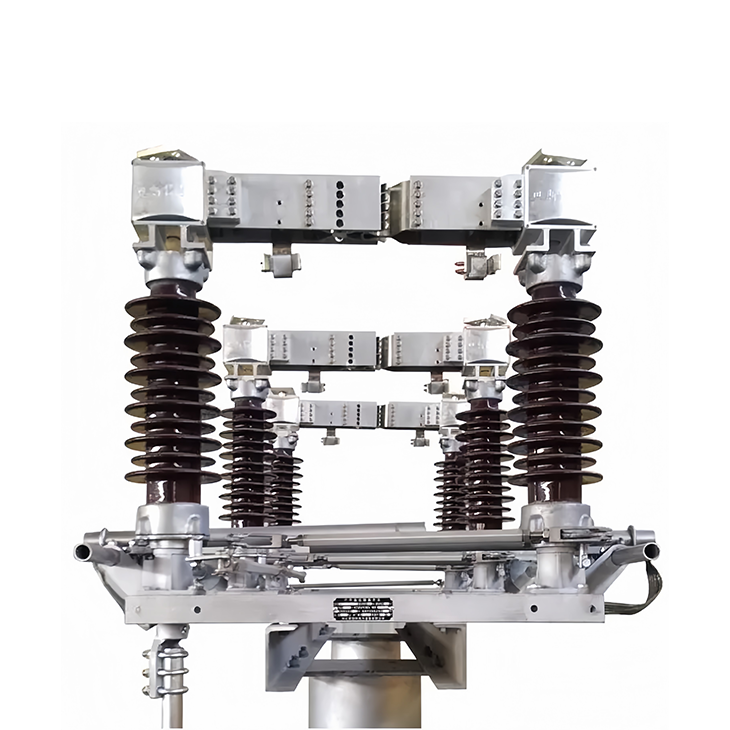

Mechanical Shock
Mechanical shock can have a variety of effects on high voltage disconnect switches. One of the most immediate consequences is physical damage to the switch components. The intense forces can cause parts to break, crack, or become misaligned, leading to a loss of functionality. For example, the contacts of the switch may become bent or damaged, which can result in poor electrical connection and increased resistance. This, in turn, can lead to overheating and premature failure of the switch.
In addition to physical damage, mechanical shock can also cause loose connections within the switch. Vibration and movement during the shock event can cause screws, bolts, or other fasteners to loosen, which can further compromise the integrity of the switch. Loose connections can lead to arcing, which is a dangerous electrical discharge that can cause damage to the switch and pose a safety hazard.
Electrical Shock
Electrical shock can also have significant impacts on high voltage disconnect switches. A sudden increase in voltage or current can cause insulation breakdown within the switch. The insulation materials used in high voltage switches are designed to withstand certain levels of electrical stress, but a sudden surge can exceed these limits, leading to the formation of conductive paths through the insulation. This can result in short circuits, which can cause extensive damage to the switch and other components in the electrical system.
Another consequence of electrical shock is the degradation of the switch contacts. When a high current passes through the contacts, it can cause arcing and erosion. The heat generated during arcing can melt and vaporize the contact materials, which can lead to pitting and rough surfaces. Over time, this can reduce the contact area and increase the resistance, resulting in poor electrical performance and potential overheating.
Case Studies: Real - World Impacts of Shock on High Voltage Disconnect Switches
Let's look at some real - world examples to better understand the effects of shock on high voltage disconnect switches.
In an industrial setting, a lightning strike caused a sudden electrical surge in the high voltage power system. The high voltage disconnect switch installed in the system experienced insulation breakdown due to the excessive voltage. This led to a short circuit, which not only damaged the disconnect switch but also disrupted the power supply to the entire facility. The production had to be halted for several hours while the damaged switch was replaced, resulting in significant economic losses.
In another case, a seismic event in a particular region caused mechanical shock to the high voltage disconnect switches installed in a power substation. The shock caused several components of the switches to break and become misaligned. As a result, the switches were unable to function properly, leading to power outages in the surrounding areas. The repair and replacement of the damaged switches were a time - consuming and costly process.
Mitigating the Effects of Shock on High Voltage Disconnect Switches
As a supplier of high voltage disconnect switches, we take several measures to mitigate the effects of shock on our products.
Design and Manufacturing
During the design phase, we use high - quality materials that can withstand both mechanical and electrical stress. For example, we select insulation materials with high dielectric strength to prevent electrical breakdown during sudden voltage surges. Our switches are also designed to have robust mechanical structures, with features such as reinforced frames and shock - absorbing mechanisms.
In the manufacturing process, we follow strict quality control procedures to ensure that all components are properly assembled and secured. We use advanced fastening techniques to prevent loose connections, and we conduct thorough testing on each switch to ensure its reliability under different operating conditions.
Installation and Maintenance
Proper installation is crucial for minimizing the impact of shock on high voltage disconnect switches. We provide detailed installation guidelines to our customers, which include instructions on proper grounding, alignment, and mounting. Grounding helps to dissipate electrical energy during a shock event, reducing the risk of damage to the switch.
Regular maintenance is also essential. We recommend that our customers perform routine inspections to check for any signs of damage, wear, or loose connections. They should also test the electrical performance of the switches periodically to detect any potential issues early on.
Our Product Solutions
We offer a range of high voltage disconnect switches that are designed to withstand shock and provide reliable performance. For instance, our GW7 - 252DW Outdoor High Voltage Isolating Switch is built with a sturdy structure and high - quality insulation materials. It is suitable for outdoor applications and can withstand harsh environmental conditions, including mechanical and electrical shocks.
Another product, the GW4 - 40.5DW Outdoor High Voltage Disconnector, is designed with advanced engineering to ensure stable operation even in the event of a shock. Its compact design and reliable performance make it a popular choice for various high voltage applications.
We also have the New Outdoor High Voltage Isolation Switch, which incorporates the latest technologies to enhance its shock - resistance capabilities. This switch is tailored to meet the demanding requirements of modern high voltage power systems.
Contact Us for Your High Voltage Disconnect Switch Needs
If you are in the market for high voltage disconnect switches, we are here to help. Our team of experts can provide you with detailed information about our products, help you select the most suitable switch for your application, and offer technical support throughout the installation and maintenance process. Whether you need a switch for a small industrial project or a large - scale power grid, we have the solutions to meet your needs. Contact us to start a discussion about your high - voltage disconnect switch requirements and take the first step towards ensuring a reliable and efficient power system.
References
- "High Voltage Engineering Fundamentals", M. S. Naidu, V. K. Kamath
- "Electrical Insulation for Rotating Machines: Design, Evaluation, Aging, Testing, and Repair", Greg C. Stone, Edward A. Boulter, Ian Culbert, Hussein Dhirani
- "Power System Protection and Switchgear", Badri Ram, M. V. S. Murthy