

The lifespan of a valve type lightning arrester is a crucial aspect that concerns many in the electrical power industry. As a supplier of valve type lightning arresters, I have witnessed firsthand the significance of understanding this factor. In this blog, I will delve into the various elements that influence the lifespan of these arresters and provide insights based on my experience and industry knowledge.
Understanding Valve Type Lightning Arresters
Valve type lightning arresters are designed to protect electrical systems from the damaging effects of lightning strikes and other transient over - voltages. They operate by presenting a high impedance to normal system voltages, while providing a low - impedance path to ground when a high - voltage surge occurs. This effectively diverts the excessive current away from the protected equipment, safeguarding it from potential damage.
The basic structure of a valve type lightning arrester consists of a series of nonlinear resistive elements, also known as valve elements. These elements are typically made of materials such as silicon carbide or zinc oxide. The unique property of these materials is that their resistance decreases significantly with an increase in voltage. When a normal operating voltage is applied, the arrester has a high resistance, allowing only a small leakage current to flow. However, when a surge voltage reaches a certain level, the resistance drops, enabling the arrester to conduct a large amount of current to the ground.

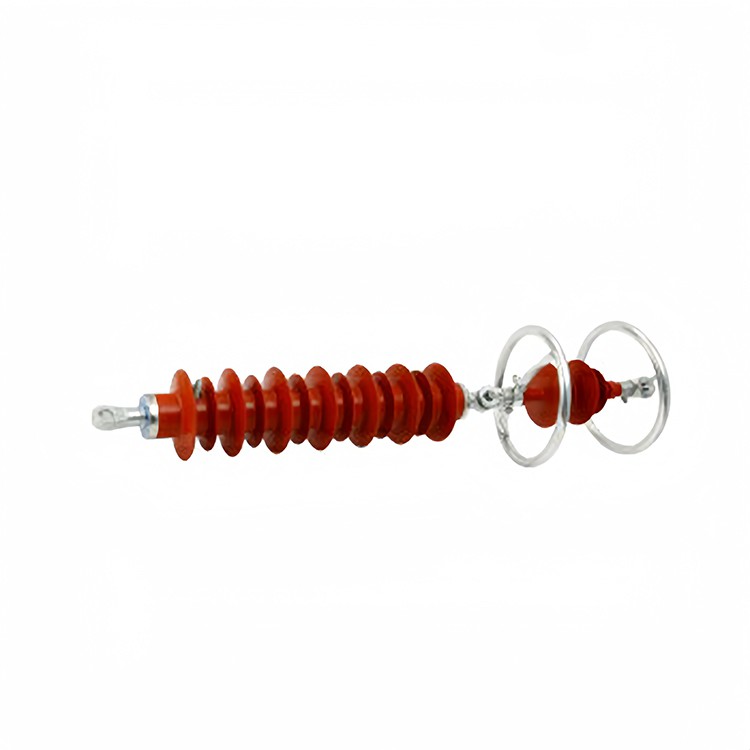
Factors Affecting the Lifespan of Valve Type Lightning Arresters
1. Material Quality
The quality of the materials used in the construction of the valve type lightning arrester is of utmost importance. High - quality valve elements, such as those made from premium - grade zinc oxide, offer better electrical performance and durability. Zinc oxide has excellent nonlinear characteristics, which means it can more effectively handle high - voltage surges. In comparison, lower - quality materials may degrade more quickly over time, leading to a shorter lifespan. For example, if the zinc oxide used has impurities or inconsistent crystal structures, it may not be able to withstand repeated surges as well as high - quality zinc oxide.
2. Operating Conditions
The environment in which the lightning arrester operates plays a significant role in determining its lifespan. High - humidity areas can cause moisture to penetrate the arrester, leading to corrosion of internal components and a decrease in insulation resistance. Extreme temperatures, both high and low, can also have a negative impact. In very hot climates, the materials inside the arrester may expand, causing mechanical stress and potentially leading to cracks. On the other hand, in cold climates, the materials may become brittle, increasing the risk of damage.
Moreover, the frequency and magnitude of the surges the arrester is exposed to are critical factors. If an arrester is installed in an area with a high incidence of lightning strikes or other high - energy surges, it will have to operate more frequently. Each time the arrester conducts a surge current, there is some wear and tear on the valve elements. Frequent operation can accelerate the degradation of these elements, reducing the overall lifespan of the arrester.
3. Installation and Maintenance
Proper installation is essential for the long - term performance of a valve type lightning arrester. Incorrect installation, such as improper grounding or loose connections, can lead to abnormal operation and premature failure. For instance, if the grounding resistance is too high, the arrester may not be able to effectively discharge the surge current to the ground, causing excessive stress on the internal components.
Regular maintenance is also crucial. This includes periodic inspections to check for signs of damage, such as cracks, discoloration, or corrosion. Additionally, measuring the leakage current can provide valuable information about the condition of the arrester. If the leakage current exceeds a certain threshold, it may indicate that the arrester is deteriorating and needs to be replaced.
Typical Lifespan of Valve Type Lightning Arresters
On average, a well - designed and properly maintained valve type lightning arrester can have a lifespan of 15 - 25 years. However, this is just a general estimate, and the actual lifespan can vary significantly depending on the factors mentioned above. In some cases, where the operating conditions are favorable and the arrester is of high quality, it may last even longer. Conversely, in harsh environments or under heavy surge conditions, the lifespan may be significantly shorter.
Comparison with Other Types of Lightning Arresters
It is also interesting to compare the lifespan of valve type lightning arresters with other types, such as Series Gap Type Zinc Oxide Arrester, Zinc Oxide Arrester, and Tubular Zinc Oxide Arrester.
Series gap type zinc oxide arresters have a series gap that isolates the zinc oxide elements from the system voltage under normal conditions. This can reduce the leakage current and potentially extend the lifespan of the zinc oxide elements. However, the gap itself may be subject to wear and corrosion, which can affect the overall performance and lifespan of the arrester.
Zinc oxide arresters, in general, have good performance and relatively long lifespans. They are widely used due to their excellent nonlinear characteristics and ability to handle high - voltage surges. Tubular zinc oxide arresters have a tubular structure, which can provide better protection in some applications. Their lifespan is also influenced by similar factors as valve type lightning arresters, such as material quality and operating conditions.
Maximizing the Lifespan of Valve Type Lightning Arresters
To maximize the lifespan of valve type lightning arresters, several measures can be taken. Firstly, choose high - quality arresters from a reliable supplier. This ensures that the materials used are of the best quality and that the manufacturing process is strictly controlled.
Secondly, ensure proper installation. Follow the manufacturer's guidelines carefully, especially regarding grounding and connection procedures. Thirdly, establish a regular maintenance schedule. This includes visual inspections, electrical testing, and monitoring of the leakage current. By detecting potential problems early, appropriate actions can be taken to prevent premature failure.
Conclusion
In conclusion, the lifespan of a valve type lightning arrester is influenced by multiple factors, including material quality, operating conditions, installation, and maintenance. As a supplier of valve type lightning arresters, I understand the importance of providing high - quality products and sharing knowledge about their proper use and maintenance.
If you are in the market for valve type lightning arresters or have any questions about their lifespan and performance, I encourage you to reach out to me for further discussion. We can have a detailed conversation about your specific requirements and how our products can meet your needs. Whether you are involved in power generation, transmission, or distribution, ensuring the long - term reliability of your lightning protection system is crucial. Let's start a conversation about how we can work together to achieve this goal.
References
- IEEE Std C62.11 - 2012, IEEE Standard for Metal - Oxide Surge Arresters for AC Power Circuits
- IEC 60099 - 4:2014, High - voltage test techniques – Part 4: Test procedures for surge arresters
- Manufacturers' technical documentation on valve type lightning arresters