

Hey there! As a lightning arrester supplier, I've been getting a lot of questions lately about the difference between lightning arrester protection for AC and DC systems. So, I thought I'd take a moment to break it down for you in a way that's easy to understand.
First off, let's talk about what a lightning arrester does. Simply put, a lightning arrester is a device that protects electrical systems from the damaging effects of lightning strikes. When a lightning strike occurs, it can generate a massive surge of electrical energy that can fry equipment, cause power outages, and even start fires. A lightning arrester works by diverting this surge of energy safely to the ground, preventing it from causing damage to the electrical system.
Now, let's get into the differences between lightning arrester protection for AC and DC systems.
1. Voltage Characteristics
One of the biggest differences between AC and DC systems is the way they handle voltage. In an AC system, the voltage alternates between positive and negative values at a certain frequency (usually 50 or 60 Hz). This means that the voltage is constantly changing, and the lightning arrester needs to be able to handle these fluctuations.
On the other hand, in a DC system, the voltage is constant. It doesn't alternate between positive and negative values like in an AC system. This means that the lightning arrester for a DC system doesn't have to deal with the same kind of voltage fluctuations as an AC system.
For AC systems, lightning arresters are designed to handle the peak voltage of the AC waveform. The peak voltage is usually higher than the RMS (root mean square) voltage, which is the value that's typically used to describe the voltage of an AC system. So, the lightning arrester needs to be able to withstand this higher peak voltage without breaking down.
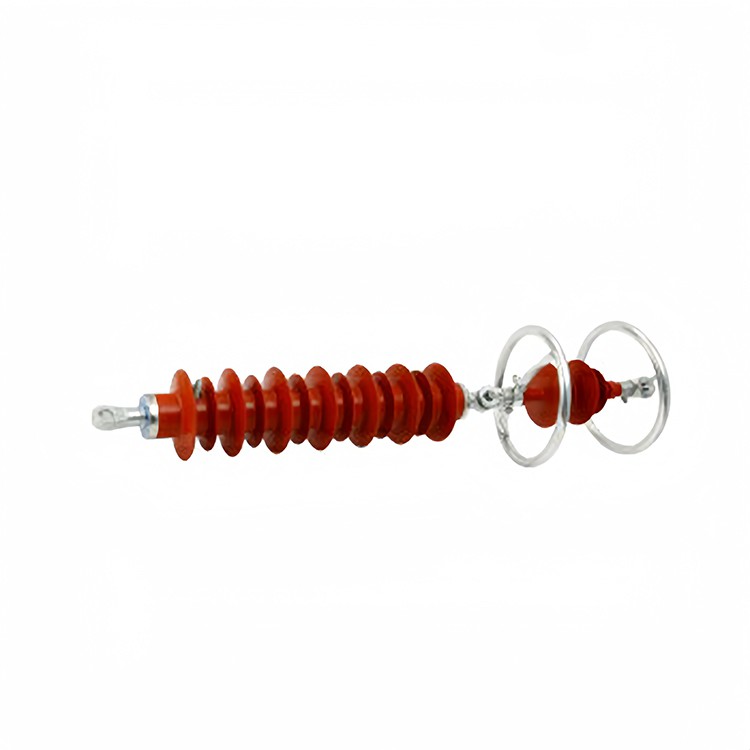

In DC systems, the lightning arrester only needs to handle the constant DC voltage. However, DC systems can sometimes have high transient voltages due to things like switching operations or faults. So, the lightning arrester still needs to be able to handle these transient voltages.
2. Current Characteristics
Another difference between AC and DC systems is the way they handle current. In an AC system, the current also alternates between positive and negative values at the same frequency as the voltage. This means that the lightning arrester needs to be able to handle the alternating current.
In a DC system, the current is constant. It flows in one direction only. This means that the lightning arrester for a DC system doesn't have to deal with the same kind of current fluctuations as an AC system.
When a lightning strike occurs, it generates a high - current surge. In an AC system, the lightning arrester needs to be able to handle this high - current surge for a very short period of time. The current surge in an AC system can be quite complex, with multiple peaks and valleys.
In a DC system, the current surge is also high, but it's more straightforward since it doesn't alternate. However, DC systems can have different types of current surges depending on the nature of the system. For example, in a DC power transmission system, the current surge can be very large due to the high power levels involved.
3. Energy Absorption
Lightning arresters need to absorb the energy from the lightning strike. In an AC system, the energy of the lightning strike is dissipated over a series of cycles. The lightning arrester needs to be able to handle the energy absorption over these multiple cycles.
In a DC system, the energy of the lightning strike is dissipated in a more continuous manner. Since the voltage and current are constant, the energy absorption process is different. The lightning arrester for a DC system needs to be able to handle the continuous energy absorption without overheating or failing.
4. Design and Construction
The design and construction of lightning arresters for AC and DC systems also differ. For AC systems, lightning arresters are often designed with multiple elements to handle the voltage and current fluctuations. These elements are connected in a way that allows them to work together to protect the system.
For DC systems, the design of the lightning arrester is more focused on handling the constant voltage and current. The materials used in the construction of the lightning arrester may also be different. For example, some DC lightning arresters may use different types of varistors or other components to handle the specific requirements of DC systems.
Our Lightning Arrester Products
As a lightning arrester supplier, we offer a wide range of products suitable for both AC and DC systems. For example, our Zinc Oxide Arrester On Pole is a great option for AC distribution systems. It's designed to be mounted on poles and can effectively protect the electrical lines from lightning strikes.
Our Zinc Oxide Arrester is a versatile product that can be used in both AC and DC systems. Zinc oxide arresters are known for their excellent non - linear voltage - current characteristics, which make them very effective in protecting electrical systems from overvoltages.
If you're looking for a lightning arrester for a specific application, our Series Gap Type Zinc Oxide Arrester might be the right choice. It has a series gap that provides additional protection and can be used in various AC and DC systems.
Why Choose Our Lightning Arresters
We understand that choosing the right lightning arrester is crucial for the safety and reliability of your electrical system. That's why our products are designed and manufactured to the highest standards. We use high - quality materials and advanced manufacturing processes to ensure that our lightning arresters are durable and effective.
Our team of experts can also provide you with technical support and advice. Whether you're designing a new electrical system or upgrading an existing one, we can help you choose the right lightning arrester for your specific needs.
Contact Us for Purchase
If you're interested in purchasing our lightning arresters or have any questions about lightning arrester protection for AC and DC systems, don't hesitate to get in touch. We're always here to help you find the best solution for your electrical protection needs.
References
- IEEE Standard for Metal - Oxide Surge Arresters for AC Power Circuits (IEEE C62.11)
- IEC Standard for Surge Arresters for DC Systems
So, there you have it! The main differences between lightning arrester protection for AC and DC systems. I hope this blog post has been helpful to you. If you have any more questions, feel free to leave a comment or contact us.