

As a seasoned supplier of vacuum circuit breakers, I've witnessed firsthand the pivotal role these devices play in modern electrical systems. A vacuum circuit breaker is an essential component for protecting electrical circuits from overloads and short - circuits. But what often goes under - appreciated is the significance of its communication interfaces. In this blog, I'll delve into the various communication interfaces available for vacuum circuit breakers.
1. Serial Communication Interfaces
Serial communication is one of the most traditional and widely used methods for data transfer between a vacuum circuit breaker and other devices.
RS - 232
RS - 232 is a standard serial communication interface that has been around for a long time. It is relatively simple to implement and is often used for local communication between the vacuum circuit breaker and a nearby monitoring device or a control panel. The main advantage of RS - 232 is its simplicity and low cost. However, it has limitations in terms of communication distance (usually up to a few meters) and data transfer rate. For a small - scale electrical system where the vacuum circuit breaker is close to the monitoring equipment, RS - 232 can be a cost - effective solution.
RS - 485
RS - 485 is an improvement over RS - 232, especially in terms of communication distance and the ability to support multiple devices on the same bus. It can support communication distances of up to 1200 meters and can connect multiple vacuum circuit breakers or other devices in a multi - drop configuration. This makes it suitable for larger electrical installations, such as industrial plants or large commercial buildings, where the vacuum circuit breakers are spread out over a large area. With RS - 485, a central control system can monitor and control multiple vacuum circuit breakers simultaneously, improving the overall efficiency and safety of the electrical system.
2. Ethernet Communication Interface
In today's era of the Internet of Things (IoT), Ethernet communication has become increasingly popular for vacuum circuit breakers.
TCP/IP Protocol
Ethernet interfaces using the TCP/IP protocol offer high - speed data transfer and the ability to connect to a local area network (LAN) or even the Internet. This allows for remote monitoring and control of the vacuum circuit breaker from anywhere in the world. For example, an electrical engineer can access the status of a vacuum circuit breaker installed in a remote substation through a web - based interface. The high data transfer rate of Ethernet also enables the transfer of large amounts of data, such as real - time current and voltage measurements, fault records, and diagnostic information. This data can be used for predictive maintenance, which can significantly reduce downtime and maintenance costs.
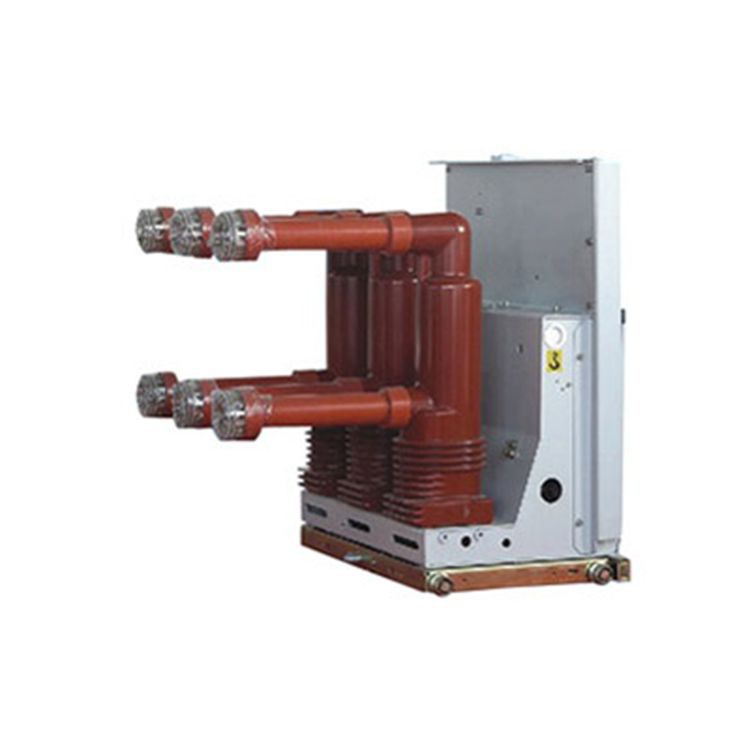
Many modern vacuum circuit breakers, such as the ZN63 - 24 VCB, are equipped with Ethernet interfaces to meet the growing demand for remote monitoring and control.
3. Modbus Communication
Modbus is a widely used communication protocol in the industrial automation field, and it is also commonly used for vacuum circuit breakers.
Modbus RTU
Modbus RTU is a serial communication protocol that can be used with RS - 232 or RS - 485 interfaces. It is relatively simple to implement and is supported by a large number of devices and software applications. With Modbus RTU, different devices in an electrical system, including vacuum circuit breakers, can communicate with each other in a standardized way. For example, a programmable logic controller (PLC) can communicate with a vacuum circuit breaker using Modbus RTU to monitor its status and issue control commands.
Modbus TCP
Modbus TCP is the Ethernet - based version of the Modbus protocol. It combines the advantages of Ethernet communication and the simplicity of the Modbus protocol. It allows for high - speed data transfer and easy integration with modern IT systems. Many electrical management software applications support Modbus TCP, making it easy to integrate vacuum circuit breakers into a comprehensive electrical management system.
4. Profibus Communication
Profibus is another industrial communication protocol that is used in some applications for vacuum circuit breakers.

Profibus DP
Profibus DP (Decentralized Peripherals) is designed for high - speed communication between a central controller and decentralized field devices, such as vacuum circuit breakers. It offers fast data transfer rates and is suitable for applications where real - time control is required. In a manufacturing plant, for example, Profibus DP can be used to quickly transmit control commands to vacuum circuit breakers to ensure the safety and efficiency of the production process.
5. Wireless Communication Interfaces
Wireless communication is becoming an increasingly attractive option for vacuum circuit breakers, especially in applications where wiring is difficult or costly.
Wi - Fi
Wi - Fi is a popular wireless communication technology that can be used for local wireless communication. A vacuum circuit breaker equipped with a Wi - Fi interface can be easily connected to a local Wi - Fi network, allowing for wireless monitoring and control within the range of the Wi - Fi signal. This is useful for applications such as small offices or residential buildings, where it may be more convenient to access the vacuum circuit breaker wirelessly.
ZigBee
ZigBee is a low - power wireless communication protocol that is suitable for building automation and sensor networks. It can be used to connect multiple vacuum circuit breakers in a wireless mesh network. ZigBee has a relatively low data transfer rate but is very energy - efficient, making it suitable for long - term monitoring applications. For example, in a smart building, ZigBee - enabled vacuum circuit breakers can communicate with other smart devices, such as lighting systems and HVAC systems, to optimize the overall energy consumption of the building.
Choosing the Right Communication Interface
When choosing a communication interface for a vacuum circuit breaker, several factors need to be considered.
Application Requirements
The specific application of the vacuum circuit breaker is the most important factor. For a small - scale residential or commercial application, a simple serial communication interface such as RS - 232 may be sufficient. However, for a large - scale industrial application or a smart grid project, a high - speed Ethernet or wireless communication interface may be required.
Compatibility
The communication interface should be compatible with the existing electrical system and other devices. For example, if the electrical system already uses Modbus protocol for other devices, it may be more convenient to choose a vacuum circuit breaker with a Modbus - compatible interface.
Cost
The cost of the communication interface is also an important consideration. Serial communication interfaces are generally less expensive than Ethernet or wireless interfaces. However, the long - term benefits of high - speed and remote communication, such as reduced maintenance costs and improved system efficiency, may justify the higher cost in some cases.
Conclusion
In conclusion, there are a variety of communication interfaces available for vacuum circuit breakers, each with its own advantages and disadvantages. As a supplier of vacuum circuit breakers, we understand the importance of providing our customers with the right communication solutions to meet their specific needs. Whether it's a simple serial interface for a small - scale application or a high - tech wireless interface for a smart grid project, we have the expertise and products to ensure that our vacuum circuit breakers can be seamlessly integrated into any electrical system.
If you are interested in our vacuum circuit breakers or need more information about the communication interfaces, please feel free to contact us for procurement and further discussions. We are committed to providing you with the best products and services to meet your electrical protection needs.
References
- "Industrial Communication Networks: A Comprehensive Guide" by John Doe
- "Vacuum Circuit Breaker Technology and Applications" by Jane Smith
- "Wireless Communication for Smart Grids" by Tom Brown