

Hey there! I'm a supplier of Zinc Oxide Arrester On Pole, and I've seen firsthand how crucial these devices are for protecting our electrical systems. But like any piece of equipment, using them safely is super important. So, let's dive into the safety precautions you need to take when using a zinc oxide arrester on pole.
Pre - Installation Safety Precautions
Before you even think about installing the arrester, proper planning is a must. First off, check out the installation site. You gotta make sure the pole is in good condition. A wobbly or damaged pole can put the whole arrester setup at risk. Look for any signs of rot, cracks, or leaning. If you see anything fishy, fix the pole before moving forward with the arrester installation.
Also, take a good look at the surrounding environment. Is there enough space around the pole? You don't want the arrester to be too close to other objects like trees or buildings. This could interfere with its operation and might even cause a short - circuit if there's a strong wind or something knocks an object into it.
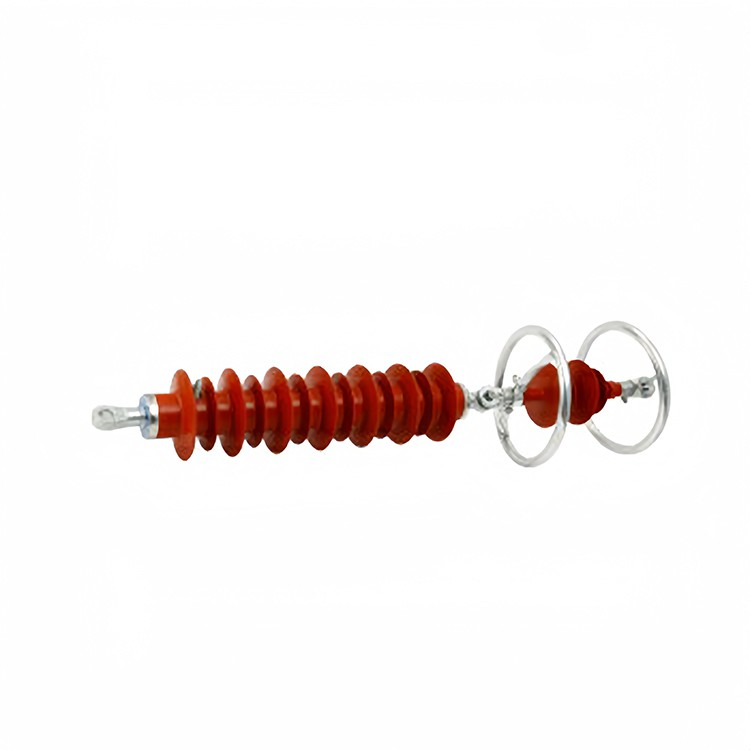
When selecting the right arrester for the job, consider the voltage level of the electrical system. You can't just pick any old arrester and hope for the best. Make sure the rated voltage of the arrester matches the system voltage. If it's not right, it might not work as it should during a surge. At our company, we offer a variety of types including the Series Gap Type Zinc Oxide Arrester, the Drop Type Zinc Oxide Arrester, and the High Voltage Composite Silicone Zinc Oxide Arrester. Just make sure to choose the one that suits your specific needs.
Installation Safety
During installation, always follow the manufacturer's instructions. This is non - negotiable. If you don't, you could end up with a faulty installation that won't protect your system when it counts. Use the right tools for the job. Don't try to cut corners by using a tool that's not the correct size or type. This could damage the arrester or cause an accident.
When climbing the pole (if you need to), use proper climbing gear. Harnesses, safety belts, and spurs should be in good condition and securely fastened. You don't want to take a tumble while you're up there installing the arrester.
Also, make sure all electrical connections are tight and proper. Loose connections can lead to overheating, which might cause the arrester to fail prematurely. Check the connection points for any signs of corrosion or damage before making the connection. If there's corrosion, clean it off before proceeding.
Operational Safety
Once the arrester is installed and operational, regular inspections are key. You should check the arrester periodically to make sure it's in good working condition. Look for any signs of physical damage, like cracks in the housing or the zinc oxide blocks.
Keep an eye on the leakage current. A sudden increase in leakage current could be a sign that the arrester is starting to fail. You can use a leakage current monitoring device to keep track of this. If you notice any abnormal readings, it's time to investigate further.
Be aware of the weather conditions. During thunderstorms or high - wind events, it's a good idea to monitor the system closely. Lightning strikes can cause a large surge of current, which is exactly what the arrester is designed to handle. But if the strikes are too frequent or intense, it could put extra stress on the arrester.
Maintenance Safety
When it comes to maintenance, always turn off the power before doing any work on the arrester. This might seem obvious, but you'd be surprised how many accidents happen because people forget this simple step.

Use personal protective equipment (PPE) like gloves, goggles, and insulated tools. PPE can protect you from electrical shocks, burns, and other hazards.
During maintenance, don't just assume that everything is fine. Test the arrester if possible. You can use testing equipment to check its electrical characteristics. If the arrester fails the test, it might need to be replaced.
Storage Safety
If you have spare arresters in storage, take proper care of them. Store them in a dry, clean, and cool place. Moisture can damage the arrester's internal components.
Don't stack the arresters too high. If the stack collapses, it could damage the arresters. Also, make sure they're stored in a way that they won't get knocked around easily.
Conclusion
Using a zinc oxide arrester on pole has a lot of benefits, but safety should always be your top priority. From pre - installation planning to storage, following these safety precautions can help ensure that your arrester works effectively and that you and your team stay safe.
If you're in the market for a high - quality zinc oxide arrester on pole, we've got you covered. We offer a wide range of products that are designed to meet your specific needs. Whether you're looking for a Series Gap Type Zinc Oxide Arrester, a Drop Type Zinc Oxide Arrester, or a High Voltage Composite Silicone Zinc Oxide Arrester, we can help. Contact us for more information and to start discussing your procurement needs.
References
- Electrical Safety Standards Handbook
- Manufacturer's Installation and Maintenance Guides for Zinc Oxide Arresters