

Hey there! As a supplier of Zinc Oxide Arresters, I've seen my fair share of short - circuit faults and know how crucial it is to have proper preventive measures in place. In this blog, I'm gonna share some effective ways to prevent short - circuit faults in Zinc Oxide Arresters.
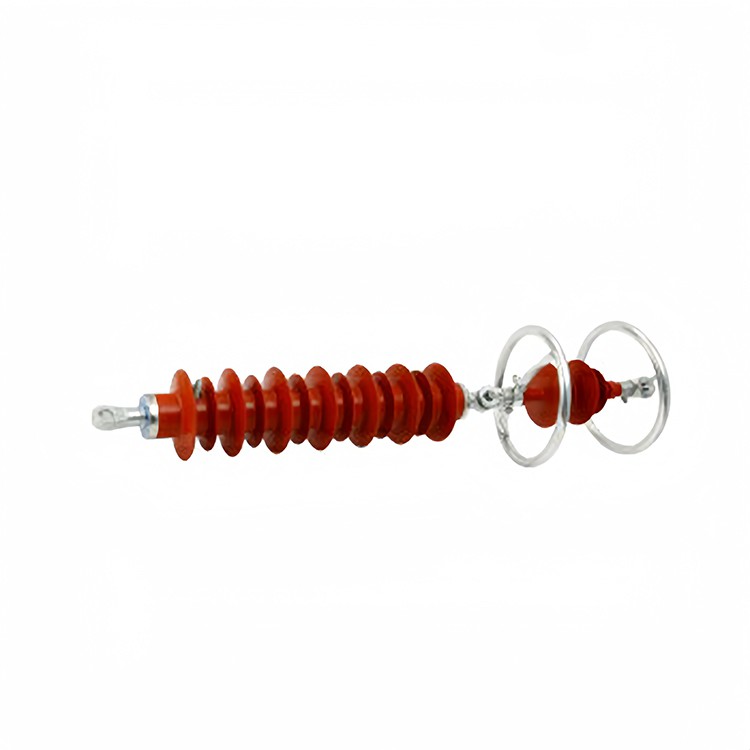
First off, let's understand what a Zinc Oxide Arrester is. It's a device used to protect electrical systems from over - voltages caused by lightning strikes, switching surges, and other transient events. There are different types of Zinc Oxide Arresters, like the Tubular Zinc Oxide Arrester, Series Gap Type Zinc Oxide Arrester, and High Voltage Zinc Oxide Lightning Arrester. Each type has its own characteristics, but they all face the risk of short - circuit faults.
Regular Inspections
One of the most important preventive measures is regular inspections. You gotta check these arresters on a routine basis. Visual inspections can tell you a lot. Look for any signs of physical damage, like cracks on the housing. A cracked housing can expose the internal components to moisture and contaminants, which can lead to short - circuits.
Also, check the connections. Loose connections can cause overheating, and over time, this can damage the arrester and potentially lead to a short - circuit. Make sure all the bolts and terminals are tightened properly. It's a simple thing, but it can make a huge difference.
Inspect the insulation as well. You can use insulation resistance testing to check if the insulation is in good condition. If the insulation resistance is low, it could be a sign that the insulation is damaged, and there's a higher risk of a short - circuit.
Environmental Considerations
The environment where the Zinc Oxide Arrester is installed plays a big role in preventing short - circuit faults. These arresters should be installed in a clean and dry environment. Moisture is the enemy of electrical components. If there's a lot of humidity or if the arrester is exposed to rain, snow, or other forms of water, it can cause corrosion and short - circuits.
If the installation area is prone to dust or pollution, you might need to take extra precautions. You can use protective enclosures to keep the arrester clean. Some areas have high levels of salt in the air, especially near the coast. Salt can corrode the metal parts of the arrester, so in such cases, you need to choose arresters with anti - corrosion coatings.
Proper Installation
Proper installation is key to preventing short - circuit faults. First of all, make sure the arrester is installed according to the manufacturer's instructions. The grounding is especially important. A good grounding system helps to divert the over - voltage safely to the ground. If the grounding is poor, the arrester might not work effectively, and there's a higher risk of a short - circuit.
The installation height also matters. It should be installed at an appropriate height to avoid any accidental contact with other objects. And when installing multiple arresters, make sure there's enough spacing between them to prevent any interference.
Monitoring Systems
Using monitoring systems can be a great way to prevent short - circuit faults. There are different types of monitoring systems available. Some can monitor the leakage current of the arrester. An increase in the leakage current can be an early sign of a problem. If the monitoring system detects a significant increase in the leakage current, you can take action before a short - circuit occurs.
Other monitoring systems can measure the temperature of the arrester. Overheating is often a precursor to a short - circuit. By monitoring the temperature, you can identify any abnormal heating and take steps to fix the issue.

Maintenance and Testing
Regular maintenance and testing are essential. You should perform periodic electrical tests on the arrester. These tests can include power - frequency voltage tests, impulse current tests, etc. These tests can help you determine if the arrester is still functioning properly.
During maintenance, you can also clean the arrester. Dirt and contaminants on the surface can reduce the insulation performance and increase the risk of a short - circuit. Use a soft brush and a suitable cleaning agent to clean the arrester carefully.
Training and Education
Last but not least, training and education are important. The people who are responsible for installing, inspecting, and maintaining the Zinc Oxide Arresters should be well - trained. They need to know how to handle these arresters properly, how to perform inspections and tests, and how to identify the early signs of a problem.
If you're in the market for high - quality Zinc Oxide Arresters and need advice on preventing short - circuit faults, don't hesitate to reach out. We're here to help you choose the right arresters for your needs and provide you with all the support you need. Whether you're looking for a Tubular Zinc Oxide Arrester, Series Gap Type Zinc Oxide Arrester, or High Voltage Zinc Oxide Lightning Arrester, we've got you covered. Contact us for more information and let's start a great business relationship!
References
- Electrical Equipment Maintenance Handbook
- Standards for Lightning Arrester Installation and Testing