

As a trusted supplier of indoor vacuum circuit breakers, I've witnessed firsthand the critical role these devices play in electrical systems. They are essential for protecting circuits from overloads and short - circuits, ensuring the safety and reliability of power distribution. However, like any complex equipment, indoor vacuum circuit breakers can encounter various faults. In this blog, I'll explore the common faults of indoor vacuum circuit breakers and share effective troubleshooting methods.
Common Faults and Troubleshooting
Vacuum Interrupter Issues
The vacuum interrupter is the heart of an indoor vacuum circuit breaker. It relies on a high - vacuum environment to interrupt the current. One of the most common problems is vacuum leakage. Over time, the seal of the interrupter may degrade, allowing air to enter the vacuum chamber. This reduces the dielectric strength of the interrupter, making it difficult to interrupt the current effectively.
Symptoms:
- Frequent tripping of the circuit breaker even under normal operating conditions.
- Abnormal arcing during the opening and closing operations.
Troubleshooting:
- Conduct a vacuum test using a vacuum tester. If the vacuum level is below the specified value, the interrupter may need to be replaced. We offer high - quality vacuum interrupters for our VS1 12KV Indoor VCB Vacuum Circuit Breaker, which are designed to meet strict quality standards.
- Check the seal of the interrupter for any visible damage. If there are cracks or breaks, the entire interrupter unit should be replaced.
Another issue with vacuum interrupters is contact wear. During repeated opening and closing operations, the contacts inside the interrupter experience mechanical and electrical stress, which can lead to wear.
Symptoms:
- Increased contact resistance, which can cause overheating of the contacts.
- Degraded performance in interrupting short - circuit currents.
Troubleshooting:
- Measure the contact resistance using a micro - ohmmeter. If the resistance is higher than the rated value, the contacts may need to be cleaned or replaced.
- Inspect the contact surface for signs of pitting or burning. In case of severe damage, the interrupter should be replaced.
Operating Mechanism Problems
The operating mechanism is responsible for opening and closing the circuit breaker contacts. Mechanical failures in the operating mechanism can prevent the circuit breaker from functioning properly. One common problem is a loose or broken connection in the linkage system.
Symptoms:
- Difficulty in opening or closing the circuit breaker.
- The circuit breaker may not close or open completely.
Troubleshooting:
- Inspect the linkage system for any loose or broken parts. Tighten the loose connections or replace the damaged parts.
- Lubricate the moving parts of the operating mechanism according to the manufacturer's recommendations. For our ZN63 - 24 VCB, proper lubrication of the operating mechanism is crucial for smooth operation.
Another issue is a malfunction in the solenoid or motor that drives the operating mechanism.
Symptoms:
- The operating mechanism fails to respond when energized.
- Unusual noises during the operation of the solenoid or motor.
Troubleshooting:
- Check the power supply to the solenoid or motor. Ensure that the voltage is within the specified range.
- Use a multimeter to test the continuity of the solenoid or motor coils. If there is an open circuit, the coil may need to be replaced.
Auxiliary Contact Failures
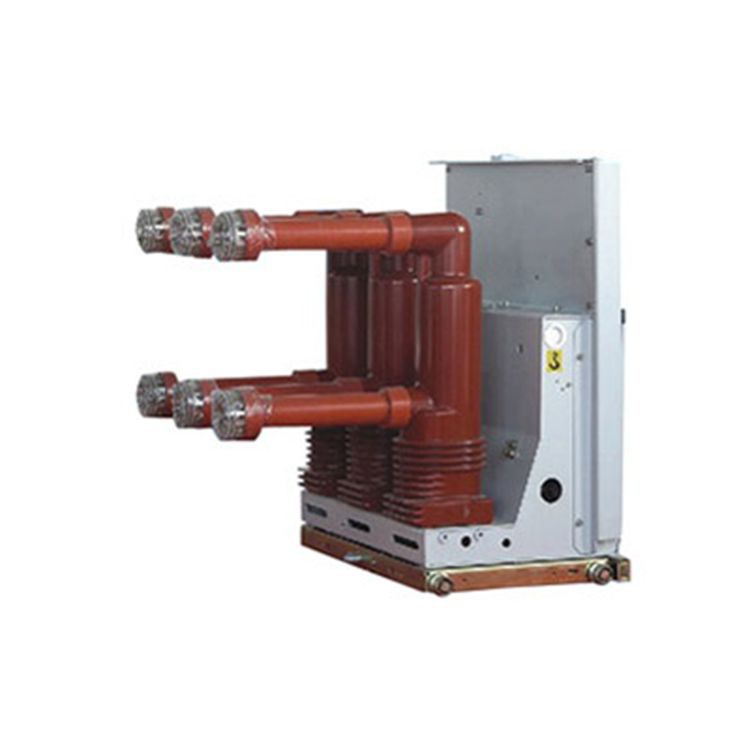
Auxiliary contacts are used to provide signals for control and protection circuits. They can fail due to various reasons, such as contact bounce, oxidation, or mechanical damage.

Symptoms:
- Incorrect indication of the circuit breaker status on control panels.
- Malfunction of protection relays that rely on the signals from the auxiliary contacts.
Troubleshooting:
- Clean the auxiliary contacts using a contact cleaner to remove any oxidation or dirt.
- Check the contact pressure and adjust it if necessary. If the contacts are damaged beyond repair, they should be replaced. Our ZN63 Side - mounted VCB is equipped with high - quality auxiliary contacts, but regular maintenance is still required.
Overheating
Overheating can occur in an indoor vacuum circuit breaker due to several factors, including high - current operation, poor contact connections, or inadequate ventilation.
Symptoms:
- The circuit breaker housing feels hot to the touch.
- Discoloration or deformation of the components due to heat.
Troubleshooting:
- Check the current flowing through the circuit breaker. If it exceeds the rated current, the load may need to be reduced or the circuit breaker may need to be upgraded.
- Inspect the contact connections for tightness. Loose connections can cause increased resistance and overheating. Tighten the connections as required.
- Ensure that the ventilation around the circuit breaker is unobstructed. Clean any dust or debris from the ventilation openings.
Prevention and Maintenance
To minimize the occurrence of faults in indoor vacuum circuit breakers, regular maintenance is essential. Here are some preventive measures:
- Inspection: Conduct visual inspections of the circuit breaker regularly to check for any signs of damage, wear, or loose connections.
- Testing: Perform electrical tests, such as insulation resistance tests, contact resistance tests, and vacuum tests, at regular intervals to detect potential problems early.
- Lubrication: Lubricate the moving parts of the operating mechanism as recommended by the manufacturer to ensure smooth operation.
- Cleaning: Keep the circuit breaker clean by removing dust, dirt, and debris from the surfaces and ventilation openings.
Conclusion
Indoor vacuum circuit breakers are reliable devices, but they are not immune to faults. By understanding the common faults and their troubleshooting methods, you can ensure the proper operation of your electrical systems. As a supplier of indoor vacuum circuit breakers, we are committed to providing high - quality products and professional technical support. If you encounter any problems with your indoor vacuum circuit breakers or are interested in purchasing new equipment for your projects, please don't hesitate to contact us for procurement and further discussions.
References
- Electrical Equipment Maintenance Handbook
- Standards for Indoor Vacuum Circuit Breakers