

As a supplier of Tubular Zinc Oxide Arrester, I've encountered numerous scenarios where these crucial devices experience failures. Understanding these common failures is essential for ensuring the reliable operation of electrical systems and for providing our customers with the best solutions. In this blog, I'll delve into the typical issues that Tubular Zinc Oxide Arresters may face, explain their causes, and offer insights on prevention and mitigation.
Thermal Overheating
One of the most prevalent failures in Tubular Zinc Oxide Arresters is thermal overheating. This occurs when the arrester is subjected to continuous or excessive energy absorption. Zinc oxide varistors, the core component of these arresters, have a specific energy handling capacity. When the energy from lightning strikes, switching surges, or other transient events exceeds this capacity, the varistors heat up.
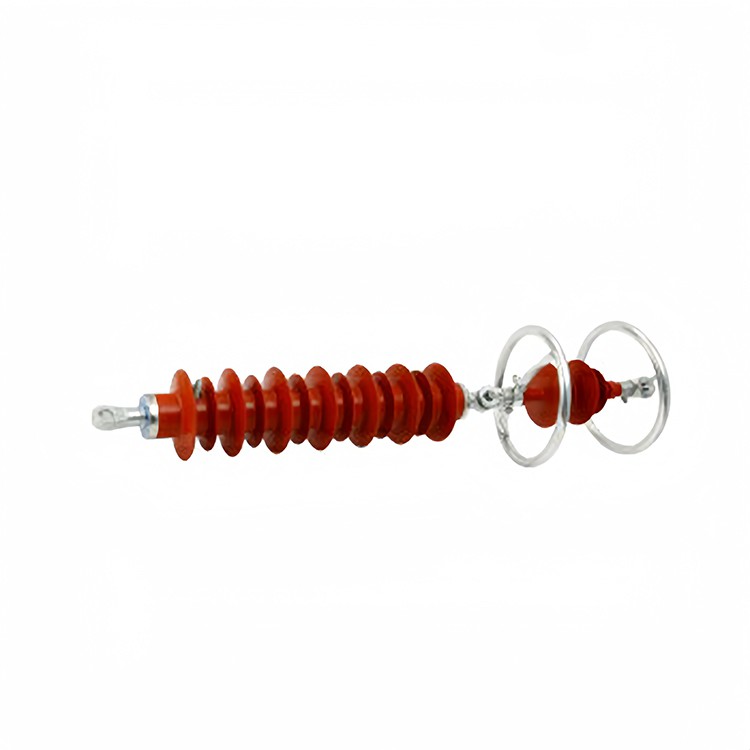
The consequences of thermal overheating can be severe. It can lead to a decrease in the varistor's performance, causing an increase in leakage current. Over time, this can damage the varistor material, leading to premature failure. Additionally, excessive heat can cause the insulation around the arrester to degrade, increasing the risk of electrical breakdown.
To prevent thermal overheating, it's crucial to select the right arrester for the application. Our High Voltage Zinc Oxide Lightning Arrester is designed to handle high-energy surges effectively. Regular monitoring of the arrester's temperature and leakage current can also help detect early signs of overheating.
Moisture Ingress
Moisture ingress is another common failure mode in Tubular Zinc Oxide Arresters. Moisture can enter the arrester through cracks in the housing, faulty seals, or condensation. Once inside, it can have a detrimental effect on the performance of the arrester.
Moisture can cause corrosion of the internal components, especially the metal parts. This can lead to a decrease in the electrical conductivity and an increase in the resistance of the varistors. In severe cases, it can cause a short circuit or a flashover, which can damage the arrester and the connected electrical equipment.
To prevent moisture ingress, proper installation and maintenance are essential. The arrester should be installed in a dry and protected environment. Seals and gaskets should be inspected regularly to ensure they are in good condition. Our Composite Insulator Zinc Oxide Arrester is designed with high-quality seals to minimize the risk of moisture ingress.
Mechanical Damage
Mechanical damage can occur during transportation, installation, or normal operation. Impact, vibration, or excessive stress can cause cracks or fractures in the arrester's housing or the varistors themselves. This can lead to a loss of electrical insulation and an increase in the risk of electrical breakdown.

During transportation, the arrester should be properly packaged and protected to prevent damage. During installation, care should be taken to ensure that the arrester is installed correctly and securely. Any signs of mechanical damage should be addressed immediately to prevent further problems. Our Standing Zinc Oxide Arrester is designed with a robust housing to withstand mechanical stress.
Aging and Degradation
Over time, Tubular Zinc Oxide Arresters can experience aging and degradation. This is due to the cumulative effect of electrical stress, environmental factors, and normal wear and tear. The varistors may gradually lose their nonlinear electrical properties, leading to an increase in leakage current and a decrease in the arrester's ability to protect against overvoltage.
Regular testing and maintenance can help detect aging and degradation early. We recommend performing periodic tests on the arrester's electrical characteristics, such as the leakage current and the residual voltage. Based on the test results, the arrester can be replaced if necessary.
External Contamination
External contamination can also affect the performance of Tubular Zinc Oxide Arresters. Dust, dirt, salt, and other pollutants can accumulate on the surface of the arrester, reducing its electrical insulation. This can lead to an increase in the leakage current and an increased risk of flashover.
To prevent external contamination, the arrester should be installed in a clean environment. Regular cleaning and inspection of the arrester's surface can help remove any contaminants. In areas with high levels of pollution, special coatings or insulation materials can be used to protect the arrester.
Conclusion
In conclusion, Tubular Zinc Oxide Arresters are critical components in electrical systems, but they are susceptible to various failures. By understanding the common failure modes, their causes, and prevention methods, we can ensure the reliable operation of these arresters and the electrical systems they protect.
As a supplier of Tubular Zinc Oxide Arresters, we are committed to providing high-quality products and comprehensive technical support. If you are facing issues with your arresters or are in need of new arresters for your electrical systems, please feel free to contact us for procurement and further discussion. We have a team of experts who can help you select the right arrester for your specific application and provide you with the best solutions.

References
- "Zinc Oxide Varistors: Principles and Applications" by M. Matsuoka.
- "High Voltage Engineering" by E. Kuffel, W. S. Zaengl, and J. Kuffel.
- "Lightning Protection of Power Systems" by M. A. S. Masoum and A. S. Masoum.