

Hey there! As a supplier of Standing Zinc Oxide Arresters, I've seen firsthand how altitude can throw a wrench into the proper functioning of these crucial electrical components. In this blog, I'm gonna break down the altitude - related adjustments needed for Standing Zinc Oxide Arresters.
Let's start with the basics. A Standing Zinc Oxide Arrester is a key piece of equipment in electrical systems. It protects electrical equipment from over - voltage caused by lightning strikes and other transient events. But when you take it to different altitudes, things get a bit tricky.
Air Density and Insulation Coordination
One of the most significant factors affected by altitude is air density. As altitude increases, air density decreases. And this has a direct impact on the insulation performance of the arrester.
At higher altitudes, the lower air density means there are fewer air molecules to impede the flow of electric current. This can lead to a reduced breakdown voltage of the air around the arrester. In simpler terms, it's easier for an electrical arc to form in the thinner air at high altitudes.
To compensate for this, we need to adjust the insulation coordination of the Standing Zinc Oxide Arrester. For instance, we might need to increase the creepage distance of the arrester. Creepage distance is the shortest distance along the surface of an insulating material between two conductive parts. By increasing this distance, we make it harder for an electrical arc to form along the surface of the arrester.
Heat Dissipation
Another important aspect is heat dissipation. Zinc oxide arresters generate heat during normal operation, especially when they're dealing with over - voltage events. At higher altitudes, the lower air density also affects heat transfer.
The thinner air is less effective at carrying away the heat generated by the arrester. This can cause the temperature of the arrester to rise more quickly and reach higher levels than it would at lower altitudes.
To address this issue, we may need to adjust the design of the arrester to improve its heat dissipation capabilities. This could involve increasing the surface area of the heat - dissipating components or using more efficient heat - transfer materials. For example, we might use fins or other heat - sink structures to increase the surface area available for heat transfer.
Sealing and Moisture Protection
Altitude can also have an impact on the sealing and moisture protection of the arrester. At high altitudes, the lower atmospheric pressure can cause air and moisture to seep into the arrester more easily.
Moisture can be a big problem for zinc oxide arresters. It can degrade the performance of the zinc oxide elements and lead to internal short - circuits or other failures. To prevent this, we need to ensure that the arrester has a better - sealed enclosure.
We might use more advanced sealing materials and techniques to keep moisture out. For example, we could use rubber gaskets with better compression properties or apply special coatings to the enclosure to make it more resistant to moisture ingress.
Testing and Certification
When making altitude - related adjustments to Standing Zinc Oxide Arresters, it's crucial to conduct proper testing and obtain the necessary certifications. Different regions have different altitude - related standards and requirements.
We need to test the adjusted arresters under simulated high - altitude conditions to ensure that they meet the performance criteria. This testing can include tests for insulation resistance, leakage current, and thermal performance. Only after passing these tests can the arresters be certified for use at high altitudes.
Comparison with Other Types of Zinc Oxide Arresters
It's also worth comparing the altitude - related adjustments for Standing Zinc Oxide Arresters with other types of zinc oxide arresters, such as the Drop Type Zinc Oxide Arrester and the Series Gap Type Zinc Oxide Arrester.
Drop Type Zinc Oxide Arresters are designed to drop out of the circuit when they fail. The altitude - related adjustments for these arresters are similar in some ways to those for Standing Zinc Oxide Arresters. They also need to account for air density and heat dissipation issues. However, since they have a different mechanical structure, the sealing and installation requirements may vary.
Series Gap Type Zinc Oxide Arresters have a series gap that helps to control the flow of current. At high altitudes, the breakdown characteristics of the gap can be affected by the lower air density. So, similar to Standing Zinc Oxide Arresters, we need to adjust the gap distance and other parameters to ensure proper operation.
Why Choose Our Standing Zinc Oxide Arresters
As a supplier, we've got years of experience in dealing with altitude - related challenges for Standing Zinc Oxide Arresters. Our team of experts knows exactly how to make the right adjustments to ensure that our arresters perform reliably at any altitude.

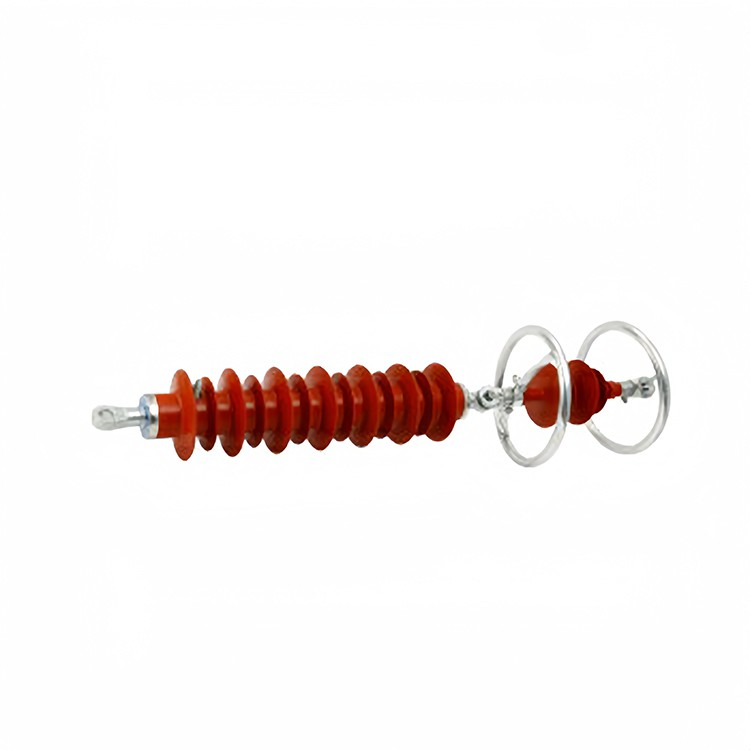
We use the latest technology and high - quality materials in the manufacturing process. Our arresters are rigorously tested to meet and exceed industry standards, whether it's for low - altitude or high - altitude applications.
If you're in the market for high - quality Zinc Oxide Arresters, especially ones that can handle different altitudes, we're here to help. We can provide you with detailed technical specifications and advice on the best arrester for your specific needs.
If you're interested in learning more about our Standing Zinc Oxide Arresters or want to discuss your procurement requirements, don't hesitate to reach out. We're always ready to have a chat and find the best solution for you.
References
- IEEE Std C62.11 - 2019, IEEE Standard for Metal - Oxide Surge Arresters for AC Power Circuits
- IEC 60099 - 4:2014, Lightning arresters - Part 4: Metal - oxide surge arresters for a.c. systems