

As a supplier of Indoor Vacuum Circuit Breakers, I've seen firsthand the importance of energy efficiency in these crucial electrical devices. Not only does it save costs for users, but it also contributes to a more sustainable and eco - friendly electrical system. So, let's dive into how we can optimize the energy efficiency of an indoor vacuum circuit breaker.
Understanding the Basics of Indoor Vacuum Circuit Breakers
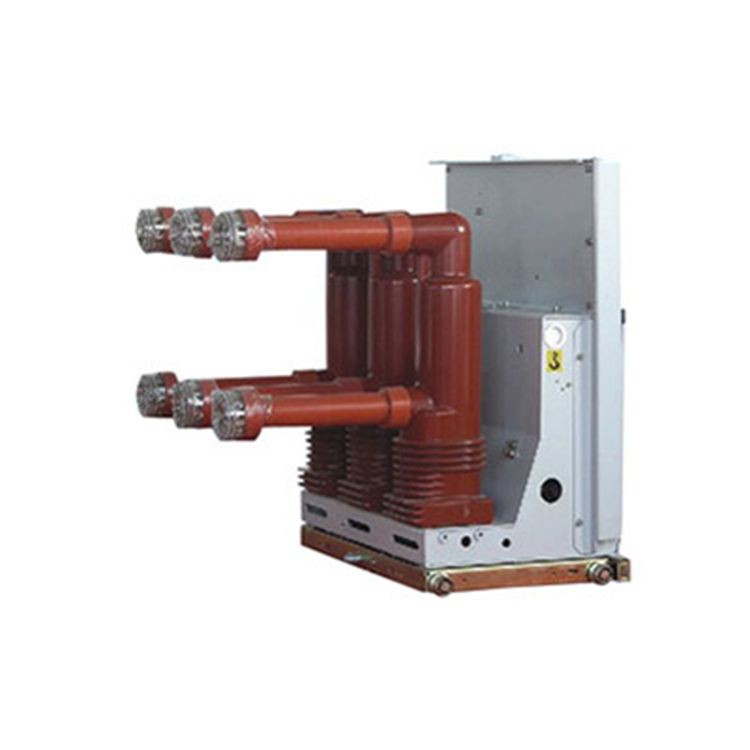
First off, it's essential to know what an indoor vacuum circuit breaker is. These breakers use vacuum as the arc - quenching medium. They're commonly used in indoor electrical systems, like those in commercial buildings, industrial plants, and substations. Compared to other types of circuit breakers, they offer advantages such as long service life, high reliability, and low maintenance requirements.
We offer a variety of indoor vacuum circuit breakers, including the Indoor Mobile Vacuum Circuit Breaker, the ZN63A - 12 (VS1) 12KV HV Vacuum Circuit Breaker Indoor Type, and the ZN63 - 24 VCB. Each of these models has its own unique features, but the goal of energy efficiency applies to all of them.
Selecting the Right Size and Rating
One of the first steps in optimizing energy efficiency is to choose the right - sized indoor vacuum circuit breaker for the application. If a breaker is oversized, it will consume more energy than necessary, even when it's in the standby mode. On the other hand, an undersized breaker may not be able to handle the electrical load properly, leading to overheating and potential malfunctions, which can also waste energy.
When selecting a breaker, consider the maximum current and voltage requirements of the circuit. Look at the load characteristics, such as whether it's a continuous load or a fluctuating load. For example, in a commercial building with a mix of lighting, HVAC, and equipment loads, you need to calculate the total load accurately to pick the appropriate breaker. Our technical team can help you with this sizing process to ensure you get the most energy - efficient solution.
Improving the Contact Design
The contacts in an indoor vacuum circuit breaker play a crucial role in energy efficiency. When the breaker is closed, the contacts should have low resistance to minimize power losses. Over time, the contacts can wear out, leading to increased resistance and higher energy consumption.
To improve contact design, we use high - quality materials that have good electrical conductivity and wear resistance. For instance, some of our breakers use copper - based alloys for the contacts. Additionally, we design the contacts to have a large contact area, which helps to reduce the contact resistance. Regular maintenance, such as cleaning and inspection of the contacts, can also extend their lifespan and keep the energy efficiency at a high level.
Optimizing the Operating Mechanism
The operating mechanism of an indoor vacuum circuit breaker is responsible for opening and closing the contacts. An inefficient operating mechanism can consume a significant amount of energy. There are different types of operating mechanisms, such as spring - operated, electromagnetic, and motor - operated mechanisms.
Spring - operated mechanisms are often preferred for their energy - saving properties. They store energy in a spring during the closing operation and release it during the opening operation. This way, they require less external energy input compared to other types of mechanisms. We've designed our spring - operated mechanisms to be highly efficient, with minimal energy losses during the energy storage and release processes.
Reducing Leakage Current
Leakage current is another factor that can affect the energy efficiency of an indoor vacuum circuit breaker. Even when the breaker is in the off state, there may be a small amount of current flowing through the breaker due to insulation imperfections or other factors. This leakage current can waste energy over time.
To reduce leakage current, we use high - quality insulation materials in our breakers. These materials have high dielectric strength and low conductivity, which helps to prevent current leakage. Regular insulation testing can also detect any potential insulation problems early on, allowing for timely repairs or replacements to maintain low leakage current levels.
Implementing Smart Control Systems
In today's digital age, smart control systems can play a significant role in optimizing the energy efficiency of indoor vacuum circuit breakers. A smart control system can monitor the electrical parameters of the circuit, such as current, voltage, and power factor, in real - time. Based on this data, it can adjust the operation of the breaker to minimize energy consumption.
For example, if the system detects a low load on the circuit, it can put the breaker into a low - power standby mode. Some of our advanced breakers are compatible with smart control systems, which can be integrated into the overall electrical management system of a building or a plant. This way, users can have better control over their energy usage and achieve significant energy savings.
Regular Maintenance and Monitoring
Regular maintenance and monitoring are essential for keeping an indoor vacuum circuit breaker operating at peak energy efficiency. Maintenance tasks include cleaning the breaker, checking the contacts, inspecting the insulation, and lubricating the moving parts. By performing these tasks on a regular basis, you can prevent potential problems that could lead to increased energy consumption.
Monitoring the breaker's performance can also provide valuable insights. You can use sensors to measure parameters such as temperature, current, and voltage. Any abnormal changes in these parameters can indicate a problem with the breaker, which can be addressed before it causes a significant energy waste. Our company offers maintenance services and can provide you with the necessary tools and expertise for effective maintenance and monitoring.

Conclusion
Optimizing the energy efficiency of an indoor vacuum circuit breaker is a multi - faceted process that involves proper selection, design improvements, smart control, and regular maintenance. By following these steps, users can not only save on energy costs but also contribute to a more sustainable electrical system.
If you're interested in learning more about our Indoor Vacuum Circuit Breakers or need help with optimizing energy efficiency for your electrical system, don't hesitate to contact us. We're here to provide you with the best solutions and support for your energy - related needs.
References
- Electrical Power Systems Principles: Operation and Control by Allen J. Wood and Bruce F. Wollenberg
- High - Voltage Engineering: Theory and Practice by M. S. Naidu and V. Kamaraju
- Handbook of Electric Power Calculations by Hadi Saadat